


FLASH NEWS
German lawmakers targeted by cyberattacks, Berlin accuses Moscow

2026-04-26 15:35:22 / BOTA
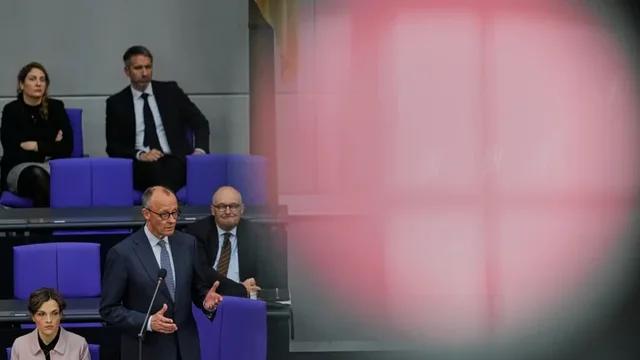
German and foreign security services have re-launched a warning about phishing attacks targeting lawmakers and senior government officials through the messaging app Signal, in what is believed to be the work of a "state-controlled cyber actor."
The German government believes Russia is behind the phishing attacks.
"The federal government is assuming that the phishing campaign targeting the messaging service Signal was apparently directed by Russia," a government source told the AFP news agency.
Victims are reportedly sent messages from Signal support, which asks them to enter a PIN, open a link, or scan a QR code. If the scam is successful, hackers can gain access to messages, group chats, and photos and files shared by the user.
Attackers can also impersonate the person whose account has been compromised.
While the government has not provided details on how many lawmakers were affected by the phishing campaign, local media estimates that at least 300 accounts belonging to political figures were compromised.
Many users had made the switch from WhatsApp to Signal following privacy concerns, after WhatsApp said it would share metadata with parent company Meta, which owns Facebook and Instagram.
"The number of unreported cases will continue to rise in the coming days," Konstantin von Notz, a lawmaker who is deputy chairman of the intelligence oversight committee, told AFP.
"Currently, no one can say for sure whether the integrity of MPs' communications is still guaranteed," he added.
In addition to high-profile politicians, civil servants, diplomats, military personnel, and journalists were also targeted.
The Bundestag is now debating how to deal with the incidents. German Bundestag Vice President Andrea Lindholz (CSU) opposes a ban on Signal and said she believes that MPs are free to make their own decisions.
However, the question was raised whether the desktop version of the Signal app should be limited to Bundestag computers.
Germany is the largest provider of military aid to Ukraine and has been a frequent target of cyberattacks, as well as espionage and sabotage plots since Russia's full invasion of Ukraine in 2022.
Moscow has consistently denied involvement in such actions.
Happening now...















ideas



top


Alfa recipes








services
- POLICE129
- STREET POLICE126
- AMBULANCE112
- FIREFIGHTER128