


FLASH NEWS
Albania, the hub of arms trafficking in the Balkans

2026-04-07 11:46:22 / AKTUALITET
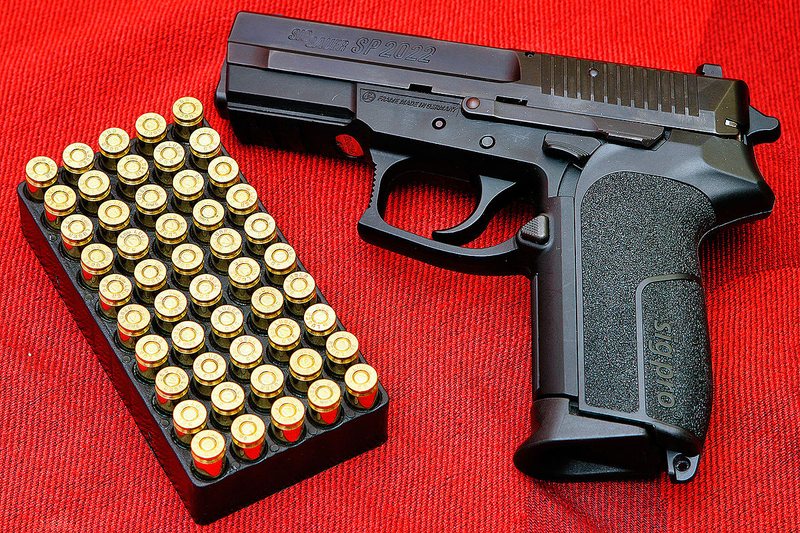
In less than a week, between March 10 and 17, Tirana Police cracked down on two cases of weapons trafficking. Initially, on March 10, two young men were arrested in possession of 6 SigSauer pistols imported from Montenegro – modern weapons that cost between 1,500 and 3,000 euros each on the black market.
A week later, a 46-year-old man was chased by police in the villages of Tirana and caught with 2 Kalashnikovs, TNT, and 1,500 rounds of ammunition.
Taken separately, both cases represent common forms of arms trafficking in Albania; a market that, according to investigations by the Tirana Prosecution Office, caters to both wealthy criminal organizations seeking modern weapons, and those seeking cheap, inherited weapons from military depots looted in 1997.
Data from daily communications from the police and the Tirana Prosecutor’s Office indicate a boom in illegal arms trafficking in the country. In the last three months alone, the police and the prosecutor’s office have conducted 8 operations against arms trafficking groups, arresting 16 people and seizing 38 weapons, significant amounts of ammunition and explosives. In four other operations, in which no trafficking charges were filed, the police seized weapons depots, including a “warehouse” of explosives, 11 grenades, three firearms and 9,000 rounds of ammunition.
The figures are up compared to two years ago, when a total of 14 cases of arms trafficking were recorded throughout the year. But according to the Tirana Prosecutor's Office, the figures indicate a higher level of detection through special investigation methods.
"It is not a consequence of increased trafficking, but information has been obtained," said prosecutor Ritvan Suka, head of the Section for Trafficking, Narcotics and Serious Crimes Against Life at the Tirana Prosecution Office.
According to experts, the amount of weapons in circulation constitutes one of the main risks to the country's security.
“Beyond the statistical part, illicit arms trafficking remains an important issue for national security. A key factor is related to the fact that arms trafficking is not usually an end in itself, but functions as a supporting activity for other forms of criminality,” said Romario Shehu, security researcher at the Institute for Democracy and Mediation (IDM).
Investigations by the Tirana Prosecution Office show that arms trafficking is closely linked to neighboring countries. New weapons come mainly from Kosovo and Montenegro, while old Kalashnikovs, ammunition and explosives that are easily found are trafficked from here.
One of the most striking features is Albania's transformation into a hub for arms trafficking in the region. In addition to old remnants, the black market is supplied with new weapons across land borders.
Për Ritvan Sukën, rrugët e trafikut janë të përcaktuara qartë nga kërkesa dhe gjeografia.
“Rrymat kryesore të trafikut të armëve që hyjnë në Shqipëri janë nga Kosova dhe Mali i Zi,” thekson Suka. Sipas tij, kjo dinamikë nuk vlen vetëm për importin ilegal drejt grupeve kriminale shqiptare, por edhe për rastet kur Shqipëria përdoret si urë kalimi, apo rastet kur armët trafikohen nga Shqipëria drejt vendeve të tjera.
“Kjo vlen edhe për rastet e trafikut në dalje. Edhe pse ka raste sporadike të armëve që kapen në port apo aeroport drejt Italisë dhe vendeve të BE-së, kjo është më e rrallë,” shton ai.
Armët që hyjnë nga fqinjët veriorë dhe verilindorë shpesh kanë si destinacion tregun e brendshëm, ose kalojnë përmes rrugëve detare drejt Perëndimit. Të dhënat publike të Policisë së Tiranës tregojnë se gati gjysma e armëve të kapura në operacionet e zhvilluara në tre muajt e fundit vinin nga Kosova dhe Mali i Zi, kryesisht pistoleta moderne Glock dhe SigSauer.
Prokurori Suka thotë se kjo vjen për shkak të kërkesës për armë të reja, kryesisht nga grupet kriminale, edhe pse arma më e përdorur nga krimi mbetet kallashnikovi, i cili gjendet lehtësisht nga stoqet e vjetra.
“Ekziston kërkesa për armë të reja, gjë që nxit trafikun,” paralajmëron Suka. “Armët e ’97-ës janë të vjetra, ndërsa ato që trafikohen janë më moderne dhe më cilësore”, tha ai, ndërsa shtoi se ka krime specifike ku përdoren armë të trafikuara që nuk gjenden rëndom në Shqipëri.
Ekziston gjithashtu një kërkesë për “armë të pastra”, të paregjistruara dhe pa histori kriminale.
“Trafikimi i armëve është një problem i përbashkët në Ballkanin Perëndimor. Raporti i Europol 2025 për krimin e organizuar vlerëson se rajoni i Ballkanit Perëndimor vijon të jetë një burim kyç i armëve të paligjshme që trafikohen drejt Bashkimit Evropian”, tha eksperti i IDM-së, Shehu.
Sipas Shehut, ashtu si kërkesa, edhe oferta për armë zjarri dhe lëndë plasëse të trafikuara mbetet e lartë.
“Në kontekstin rajonal, studimet tregojnë se trafiku i armëve shërben kryesisht për të lehtësuar aktivitete të tjera më fitimprurëse, si trafiku i drogës, trafikimi i emigrantëve, trafikimi i qenieve njerëzore, apo kontrabanda e mallrave”, theksoi Shehu.
Analiza e të dhënave të regjistrit të Prokurorisë së Tiranës për vitet 2025 dhe 2026, të marra përmes një kërkese për informacion, tregon se një pjesë e mirë e hetimeve për nenin 278/a (Trafikimi i armëve dhe i municionit) kalojnë në statusin e pezullimit ose mbeten në fazë hetimi për periudha të gjata.Disa prej procedimeve janë në hetim që prej vitit 2022 apo 2023 dhe figurojnë ende të hapura.
Megjithatë, zgjatja e hetimeve dhe pezullimi i këtyre dosjeve nuk shihet domosdoshmërisht si një dështim, por si një hap i diktuar nga natyra transnacionale e krimit dhe kufizimet e të dhënave fillestare.
“Old investigations remain like this mainly because of the cases that have been separated and their complexity,” explains prosecutor Suka, clarifying the procedural mechanism. “Since it is mainly about trafficking, there are elements and people who are outside Albania, which requires return-response letters and other things.”
In such cases, the prosecution is forced to separate the cases, sending for trial the cases of persons arrested in Albania and keeping the cases of those who are wanted in third countries under investigation.
For expert Shehu, technology is expected to make the work of the police and prosecution even more difficult in solving these cases.
"The use of online commerce to traffic firearms, components, ammunition and explosives, both on the regular internet and on the 'dark web', is expected to become increasingly widespread," he says.
Meanwhile, despite imports from neighboring countries, Albania remains hostage to its past. Romario Shehu notes that the legacy of 1997 is still a high risk factor./BIRN
Happening now...






ideas

When cardboard and arrogance become law.
Nga Gjergji Nika

Renaissance is Disaster Capitalism
Nga Klodian Tomorri

Pse tifozeria e Kosovës ishte aq e vdekur dhe mungonin simbolet kuqezi?
Nga Kreshnik Spahiu
top


Alfa recipes

TRENDING 




services
- POLICE129
- STREET POLICE126
- AMBULANCE112
- FIREFIGHTER128