


FLASH NEWS
Learn about 7 historical events that happened on Christmas Day

2025-12-25 08:59:31 / MISTERE&KURIOZITETE
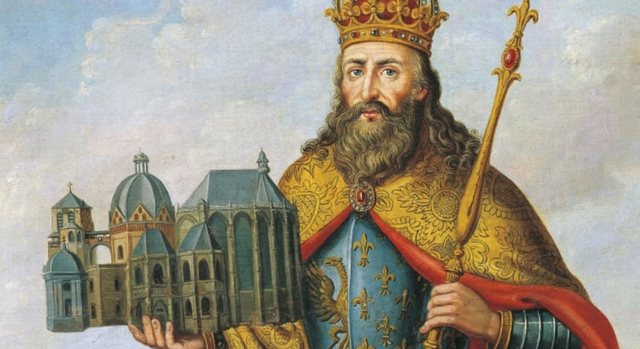
While Christmas has traditionally been seen as a time for family gatherings, exchanging gifts, and going to church, the holiday has also coincided with some of history's most significant events. The "most wonderful time of the year" has been punctuated by legendary battles, coronations, and scientific discoveries, and has even served to inspire one of the most famous wartime truces. Here are seven of the most famous historical events that occurred on Christmas Eve and Christmas Day.
1. Charlemagne is crowned Holy Roman Emperor
Often called the “Father of Europe,” Charlemagne was a Frankish warrior-king who united much of the continent under the banner of the Carolingian Empire. Beginning in the late 700s, Charlemagne created a vast kingdom through military campaigns against the Saxons, Lombards, and Avars. A devout Catholic, he aggressively converted his subjects to Christianity and implemented strict religious reforms.
On Christmas Day 800, Pope Leo III crowned Charlemagne (Charlemagne the Great) “Emperor of the Romans” in a ceremony in St. Peter’s Basilica. This coronation nominally restored the Western Roman Empire and established Charlemagne as the divinely appointed ruler of most of Europe. Most importantly, it placed him on an equal footing with the Byzantine Empress, Irene, who ruled the Eastern Empire in Constantinople. Charlemagne would be emperor for 13 years, and his legal and educational reforms sparked a cultural revival and united much of Europe for the first time since the fall of the Roman Empire.
2. Uilliam Pushtuesi kurorëzohet Mbret i Anglisë
Gjatë sezonit të festave të vitit 1066 ndodhi një ngjarje e cila ndryshoi një herë e mirë kursin e historisë së Europës. Ditën e Krishtlindjes, Uilliami, Dukë i Normandisë – i njohur më mirë si Uilliam Pushtuesi – u kurorëzua Mbret i Anglisë në Uestminster Abbey në Londër. Kurorëzimi ndodhi pas pushtimit legjendar që Uilliami i bëri ishujve britanikë, që kishte përfunduar në tetor të vitit 1066 me fitore kundër Mbretit Haroldi II në Betejën e Hastings.
Gjatë sundimit 21-vjecar të Uilliam Pushtuesit, zakonet dhe ligjet normanë do të zinin vend në jetën britanike. Pasi konsolidoi pushtetin e tij duke ndërtuar struktura të famshme, si Kulla e Londrës dhe Kështjella Uindsor, Uilliami u dha me bollëk toka edhe aleatëve të tij francezë. Kjo gjë jo vetëm ndryshoi një herë e mirë zhvillimin e gjuhës angleze – pothuajse një e treta e anglishtes moderne e ka burimin nga fjalë të frëngjishtes – por edhe kontribuoi për ngjitjen e sistemit feudal të qeverisjes, që karakterizoi pjesën më të madhe të Mesjetës.
3. 1776: George Uashingtoni dhe Ushtria Kontinentale kalojnë Lumin Delëuer
Në fund të vitit 1776, Lufta Revolucionare dukej se po humbej për forcat koloniale. Një seri humbjesh e britanikëve kishte shkaktuar rënie të moralit, dhe shumë ushtarë kishin dezertuar nga Ushtria Kontinentale. Në kërkim të një fitoreje vendimtare, Gjenerali Uashington udhëhoqi 2400 trupa në një micion të guximshëm për të kapërcyer gjatë natës lumin e ngrirë Delëuer. Pasi u fut fshehtas në Nju Xhersi në 26 dhjetor, ushtria kontinentale realizoi një sulm të beftë në Trenton, një qytet që deri atëherë mbahej nga një forcë ushtarësh gjermanë të njohur si Hessians.
Basti i Uashingtonit ia vlejti. Shumë prej Hessianëve ishin ende të corientuar prej festimeve të një nate më parë, dhe forcat koloniale i mundën me një gjakderdhje minimale. Ndërkohë që Uashingtoni kishte arritur një fitore tronditëse, ushtria e tij nuk ishte e mirëpajisur për të mbajtur qytetin dhe ai u detyrua të rikapërcejë Delëuerin po atë ditë – këtë herë bashkë me 1000 të burgosur Hessianë. Uashingtoni do të vazhdonte me fitore të njëpasnjëshme në Betejat e Asunpinkut dhe Princtonit, dhe kalimi i guximshëm i Delëuerit shërbeu si një thirrje për ushtrinë e dekurajuar kontinentale.
4. 1814: Traktati i Ghentit i jep fund Luftës së 1812-ës
Në 24 dhjetor 1814, ndërkohë që shumëkush në botën perëndimore festonte Krishtlindjen, SHBA dhe Britania e Madhe u ulën të firmosnin një marrëveshje të famshme paqeje që i jepte fund luftës së 1812-ës. Negociatat kishin nisur në Ghent, Belgjikë në fillim të gushtit – në po të njëjtin muaj kur forcat britanike kishin djegur Shtëpinë e Bardhë dhe Capitol-in në Uashington. Pas më shumë se katër muaj debat, delegacionet amerikan dhe britanik ranë dakord për një marrëveshje që i jepte fund luftës si barazim. Të gjithë territoret e pushtuar u lëshuan, dhe ushtarët e zënë rob bashkë me mjetet iu kthyen shteteve respektivë.
NDërkohë që Traktati i Ghentit i dha fund konfliktit 32-mujor, ai nuk hyri në fuqi në SHBA deri kur u ratifikua në shkurt 1815. Në fakt, një prej fitoreve më të mëdha amerikane të luftës – në betejën e Nju Orlinsit në janar 1815 – erdhi më shumë se një javë pas firmosjes së Traktatit të Ghentit.
5. 1868: Presidenti Endrju Xhonson firmos faljen për ushtarët e Konfederatës
Në fundin e mandatit të tij si president, Endrju Xhonson u dha një dhuratë të famshme Krishtlindjeje një grushti rebelësh të KOnfederatës. Përmes SHpalljes 179, në 25 Dhjetor 1868, Xhonsoni firmosi amnistinë për “të gjithë personat” që kishin luftuar kundër Shteteve të Bashkuara gjatë Luftës civile.
Falja e Xhonsonit ishte në fakt e katërta në një seri urdhërash për amnisti të firmosur pas luftës. Marrëveshjet e mëhershme u kishin ridhënë të drejta ligjore dhe politike ushtarëve të Konfederatës në këmbim të betimeve me shkrim për besnikëri ndaj SHBA. Falja e Krishtlindjes ishte një akt final dhe i pakushtëzuar për jugorët, duke përfshirë edhe shumë gjeneralë të KOnfederatës.
6. 1914: The Christmas Truce of 1914 is Reached
The Christmas spirit manifested itself in 1914 in the most unlikely place: a World War I battlefield. Beginning on the evening of December 24, many German, British, and French soldiers in Belgium laid down their weapons and began a spontaneous Christmas truce. The agreement was reportedly instigated by the Germans, who decorated their trenches with Christmas trees and candles and began singing songs like “Silent Night.” British troops responded with their own version of “The First Noel,” and the fighters approached “no man’s land” — the area between the trenches — to greet each other and shake hands.
According to accounts by those present, soldiers traded cigarettes and whiskey, and some even exchanged Christmas presents with the men they had been firing at just hours earlier. Taking advantage of the temporary suspension of fighting, some Scottish, English, and German troops even organized a football match on the frozen field. The truce was not sanctioned by officers on either side, and the soldiers were called back to the trenches to continue the fighting. Subsequent attempts at holiday reunions were largely abandoned, but as the war continued, the Christmas Truce stood as a striking example of humanity and brotherhood on the battlefield.
7. 1968: Apollo 8 orbits the Moon
As part of the Apollo 8 mission, astronauts Frank Borman, Jim Lovell, and William Anders spent the night before Christmas in orbit around the Moon. The mission was originally intended to test the Lunar Module—which would later be used to land Apollo 11—in Earth orbit. But when work on the module proved to be behind schedule, NASA ambitiously changed the mission plan. Apollo 8 went on to bring about a series of major turning points for human spaceflight: The three astronauts became the first people to escape Earth's gravitational pull, the first to see the entire Earth from space, and the first to see the far side of the Moon.
Apollo 8 is perhaps best remembered today for the broadcast of the moment the astronauts entered lunar orbit on Christmas Eve. While viewers were treated to views of the moon and the Earth's orbit from the lunar orbit, Borman, Lovell, and Anders read the first lines of the Book of Genesis from the Bible. The broadcast – which ended with “Merry Christmas, and God bless you all, all of you on the good Earth” – became one of the most-watched events in television history.
Happening now...









ideas



top






TRENDING 




services
- POLICE129
- STREET POLICE126
- AMBULANCE112
- FIREFIGHTER128