


FLASH NEWS
This is what Antarctica would look like without ice

2025-06-02 21:23:18 / MISTERE&KURIOZITETE
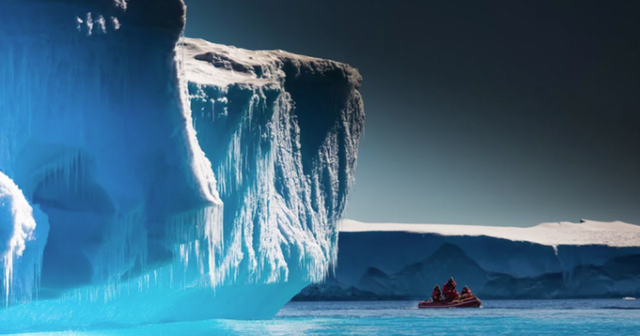
Have you ever wondered what Antarctica looks like without the ice sheets covering it? Now, thanks to a groundbreaking new study, scientists have created a detailed picture of the frozen continent as it is at its core: a rugged, mountainous land filled with valleys and hidden volcanoes.
Antarctica, unlike the Arctic, which is mostly made up of sea ice, rests on a solid continental rock mass. But because of an ice sheet with an average thickness of over 2,100 meters, it has remained hidden from the human eye until now.
An international team of scientists, led by the British Antarctic Survey (BAS), has published the most detailed map ever of Antarctica under the ice, called 'Bedmap3'.
This colossal effort is built on more than 82 million data points, collected over 60 years by satellites, aircraft, ships and ground expeditions – even by dog sleds.
Bedmap3 significantly improves on previous efforts by using more than twice the data as the previous version. Advanced techniques such as ice-penetrating radar, gravity measurements and seismic reflection waves were used for the mapping.
The result? A 3D map with an impressive resolution of 500 meters, which accurately reveals the continent's deep landforms: sharp mountains, hidden valleys and structures that have never been seen before.
East Antarctica, one of the most unknown regions of the continent due to its extreme conditions and isolation, is particularly detailed on this map.
According to the researchers, Bedmap3 will be essential for understanding how the ice sheet will respond to climate change.
" This is key information that supports the computer models we use to study ice flow as temperatures rise, " explains Dr. Hamish Pritchard, glaciologist at BAS and lead author of the study.
He compared the behavior of ice to pouring syrup onto a cake with uneven relief, where the shape of the surface determines the direction and speed of the flow.
As the planet continues to warm, rising sea levels and melting glaciers are among the biggest climate concerns.
Knowing the structure of the terrain beneath Antarctica is essential for predicting where and how quickly the ice will melt.
'Bedmap3' is not just a technological achievement, it is a vital tool for understanding the future of our planet.

Happening now...














America may withdraw from Europe, but not from SPAK
Nga Gentian Gaba
ideas


Who is the Surrel Rabbit?
Nga Sidi Hasanaj

The two wrong paths of the opposition with the Ombudsman
Nga Patrik Sadikaj
top


Alfa recipes




TRENDING 




services
- POLICE129
- STREET POLICE126
- AMBULANCE112
- FIREFIGHTER128