Pse tifozeria e Kosovës ishte aq e vdekur dhe mungonin simbolet kuqezi?
Nga Kreshnik Spahiu


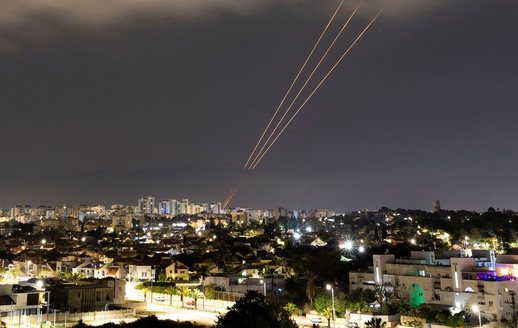
When I first visited Kiev in May 2023, the Ukrainian capital was experiencing one of the largest airstrikes of the war to date: Russia launched 25 missiles and nine drones. I could hear the explosions outside my hotel room as Ukrainian air defenses shot down all the missiles. Last week, during my third visit to war-torn Ukraine, Russia set another embarrassing record by launching 30 missiles and nearly 1,000 Shahed drones in a 24-hour period (March 23-24).
The radical expansion of the scale of air strikes over the past three years is a sign that Russia’s aggressive war shows no sign of stopping. But Ukraine, though much smaller than Russia, has managed to keep pace with the aggressor. Although one drone damaged a historic church in the city of Lviv, Ukrainian air defenses last week shot down 95 percent of Shahed drones, in part using low-cost interceptor drones that are not produced by any other country.
While Russia was targeting Ukrainian homes, hospitals, and churches, Ukraine was sending long-range drones to strike Russia's oil export terminals in the Baltic Sea, more than 600 miles away.
These bold attacks have reduced Russia's oil exports by 40 percent and, consequently, reduced the oil revenues that fund Vladimir Putin's war machine.
This could partially offset the benefit Russia will derive from the war with Iran, which has brought about rising oil prices and an easing of US sanctions.
Meanwhile, Ukrainian workers have been busy repairing damage to energy infrastructure over the winter. Massive Russian missile and drone strikes had caused long power, water and heating outages, while temperatures plunged to minus 4 degrees. Everyone I spoke to in Kiev recalled it as the harshest winter ever. But spring has arrived and the power has been restored.
During my week in Ukraine, as part of a delegation from the nonprofit Renew Democracy Initiative, I experienced no power outages. (The organization has sent nearly $15 million in humanitarian aid to Ukraine, and I serve on its advisory board.) Both cities we visited, Kyiv and Kharkiv, remain vibrant and bustling, although Kharkiv is just 20 miles from the Russian border and has suffered significant damage.
Gjatë udhëtimit, morëm disa njohuri interesante se si ky vend i vogël dhe këmbëngulës ka arritur të krijojë ndoshta ushtrinë më të fuqishme të dronëve në botë. Presidenti Volodymyr Zelensky thotë se 30,000 deri në 35,000 ushtarë rusë vriten ose plagosen çdo muaj, më shumë sesa Putini rekruton, dhe se 90 për qind e humbjeve shkaktohen nga dronët. Në shkurt, Ukraina madje fitoi më shumë territor sesa humbi për herë të parë që nga viti 2023, e ndihmuar edhe nga ndërprerja e aksesit të forcave ruse në Starlink.
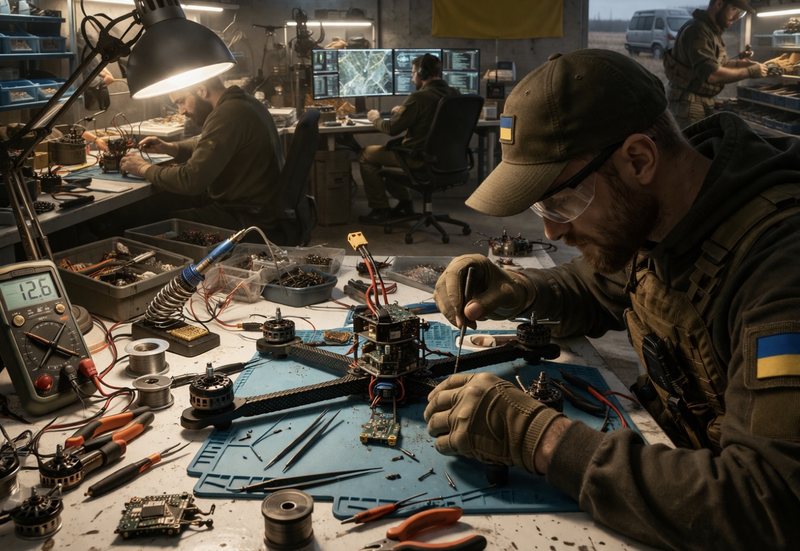
Dronët që po mbajnë larg pushtuesit barbarë, dhe që Ukraina synon të prodhojë 7 milionë këtë vit, ndërtohen në punishte si ajo që vizituam në një ndërtesë të zakonshme në Kiev, e cila mund të ngatërrohej lehtësisht me një apartament apo zyrë. Kur mendon për një fabrikë, imagjinon një linjë prodhimi të automatizuar në një hangar të madh. Por në Ukrainë, dronët ndërtohen me dorë, sepse dizajnet ndryshojnë çdo disa muaj, bazuar në reagimet e ushtarëve në vijën e frontit. Të dyja palët po inovojnë vazhdimisht në një garë të pandërprerë për avantazh në fushën e betejës.
Punëtorët ulen në karrige të dizajnuara për lojëra kompjuterike dhe punojnë në tavolina të bardha për të montuar dronët. Disa pjesë (sidomos kontrollorët e fluturimit, motorët dhe kabllot me fibra optike) vijnë nga Kina, shpesh nga të njëjtat fabrika që prodhojnë pjesë për dronët rusë. Pjesë të tjera prodhohen nga nënkontraktorë ukrainas, ndërsa disa krijohen në vend me printerë 3D.
Linja e produkteve në këtë fabrikë sekrete përfshin dronë interceptues të mbrojtjes ajrore që duken si raketa nga një komik i Tintinit; dronë kamikazë quadcopter të kontrolluar nga operatori (first-person view); dhe dronë më të mëdhenj që mund të hedhin bomba ose furnizime. Disa prej tyre kontrollohen me kabllo me fibra optike për të shmangur ndërhyrjet elektronike, ndërsa të tjerë operohen përmes frekuencave radio ose lidhjeve interneti Starlink.
Çdo dron testohet në vend përpara se të paketohet dhe të dërgohet. Nëse nuk do të dije çfarë ka brenda paletave, mund të mendoje se janë lodra Krishtlindjesh për Walmart apo Target. Por në fakt janë instrumente të avancuara lufte.
Disa ditë më vonë, pashë se si përdoren këta dronë gjatë një vizite tek Brigada e 429-të e Sistemeve Pa Pilot, e njohur si Brigada “Achilles”. Në një fushë pranë Kharkivit, ushtarët demonstruan se si përdorin një dron të madh ajror “Vampire” për të dërguar furnizime ose për të hedhur bomba mbi ushtarët rusë. Ata treguan gjithashtu një robot tokësor “Ardal”, një platformë me zinxhirë që mund të transportojë furnizime dhe të evakuojë të plagosurit.
Major Yurii Fedorenko, a 34-year-old former business executive, is the brigade’s charismatic commander. With his beard and an earring in his left ear, he might not fit the strict appearance standards of some American officials. But Fedorenko has been awarded Ukraine’s highest military decoration, the “Hero of Ukraine,” for his success in eliminating Russian invaders. Under the points system the Ukrainian military uses to incentivize performance, the “Achilles” brigade’s achievements are rewarded with more funding. The brigade reports hitting almost 38,000 targets last year and aims to hit 80,000 this year.
Fedorenko was just one of many impressive individuals I met during this visit, others included business leaders, government officials, and civic activists. Their country, blessed with a well-educated population, fertile land, and abundant natural resources, will have a bright future once the war is over.
No one can say when that will happen, unfortunately. A senior Ukrainian official told me that Putin may have been close to a deal before the war with Iran broke out. But Zelensky is also profiting from the conflict in the Middle East. He is sending air defense specialists to the Persian Gulf and making deals with countries in the region that could bring a much-needed influx of capital to Ukraine’s drone industry.
Russia is also expanding its drone production and even exporting them to Iran, remaining a formidable adversary. But the Ukrainians have a not-so-secret weapon that the Russians cannot match: the determination of a democratic nation to remain free.
“After more than four years of war, most people are tired,” Roman Andreyko, CEO of the media company Lux Media, told us. “We want the war to stop. We want peace. But we are not ready to give up.” Thanks to the rapid development of the drone industry, Ukraine is not in danger of being forced to do so. / The Washington Post – Bota.al