


FLASH NEWS
The fragmented West, an opportunity for Europe

2026-04-19 00:16:08 / BOTA
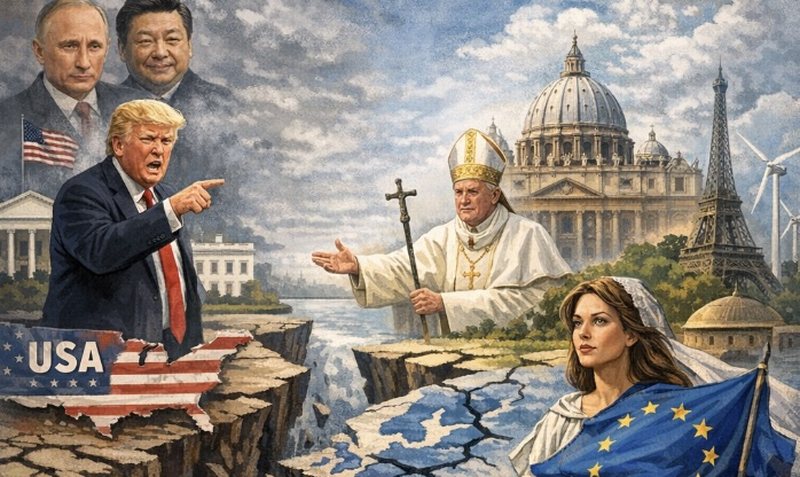
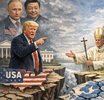
Donald Trump's America will come "first" (where? It has been to the moon since 1969), but in the meantime it is alone. Over the past 72 hours, Donald has broken relations with everyone, even opening an "extraterritorial" front with the Pope, in defiance of the separation between politics and religion rooted in the US Constitution. An isolated case like that of Israel is not enough to change the overall picture, on a global stage that includes the Euro-Atlantic, the Indo-Pacific, the BRICS, the Western Hemisphere, as well as the Middle East and the Gulf, where the US has exercised and/or competed for world leadership for three quarters of a century.
This is the geopolitical West, built on a system of alliances, partnerships and various balances, where NATO is the most structured political and military component and Europe the most privileged partner.
The President of the United States chooses to isolate himself from it. And by isolating himself, he divides it.
Europe (and Italy) have thus become part of a "halved West".
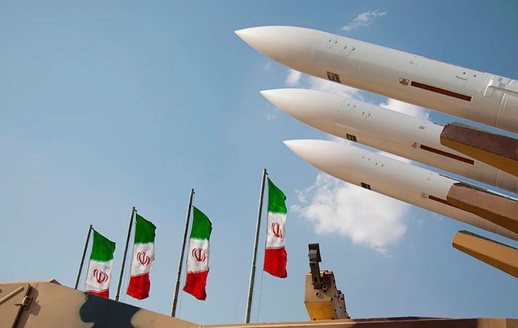
This halved West navigates international waters more turbulent than at any time since 1945. Two major wars are underway – in Ukraine and in the Persian Gulf – directly involving a major power: Russia in Ukraine and the US in the Persian Gulf, which have initiated these conflicts by choice.
The two major non-Western powers, China and Russia, could want nothing more than to further fragment the non-American half of the West. Meanwhile, developing countries in Asia, Africa and the Americas are clamoring for a seat at the international table, which is the essence of multipolarity.
In this halved West, Europe has most of the “butter” – economy, demography, industry, technology – but also the “balls” – yes, even in military terms, although little has been invested for decades, the Europeans have the resources, capacities and experience gained in the field, including two nuclear powers.
There are also important partners, starting with Japan and Canada, but the sustainability and future of a West without the US – even temporarily – remains uncertain.
This divided West, that is, halved, is not an exaggeration, but a statement of the radical change in the course of American foreign policy in Donald Trump's second term. And we are only a third of the way through it.
Fillimisht erdhi lufta e tarifave të vitit të kaluar – ndaj të gjithëve, miq e kundërshtarë. Pastaj afrimi në Anchorage me Vladimir Putin-in, ndërkohë që europianët përpiqen të forcojnë sanksionet ndaj Rusisë për të mbështetur Kievin.
Më pas pretendimi, ende i pa tërhequr, për aneksimin e Groenlandës daneze, pa asnjë respekt për vetëvendosjen apo të drejtën ndërkombëtare.
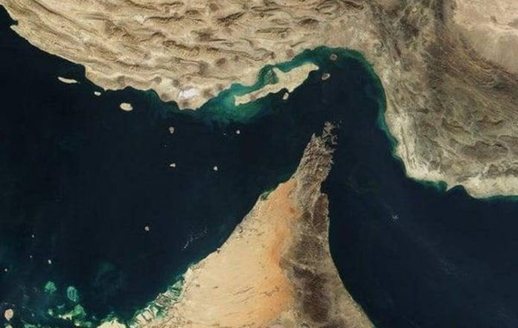
Pastaj lufta me Iranin, duke kërkuar më pas ndihmën e Europës për të përballuar pasojat e rënda dhe të parashikueshme, si mbyllja e Ngushticës së Hormuzit. Pasojat energjetike, bujqësore dhe inflacioniste që kjo ka shkaktuar në shkallë globale – nga të cilat as SHBA, pavarësisht rezervave të saj të naftës dhe gazit, nuk është e mbrojtur – e kanë futur presidentin amerikan në një rrugë pa krye, nga e cila nuk di si të dalë.
Përveçse duke fajësuar të tjerët.
Ai që është shkaktar i fatkeqësisë së vet duhet të qajë vetë. Jo Donald Trump, i cili përkundrazi fajëson gjithmonë të tjerët. Dhe kështu fillon një seri sulmesh ndaj NATO-s, Keir Starmer-it dhe Giorgia Melonit. Kryeministrja italiane gjendet në shoqëri të mirë, por me një thumbim shtesë për mungesë guximi, që tingëllonte si “edhe ti, o Brut, biri im!”.
Sigurisht, për Donald-in, vetëm pak orë pas humbjes së aleatit të tij besnik Viktor Orbán, mbrojtja e Papa Leone XIV nga “gruaja fantastike” e politikës italiane duhet të ketë qenë një goditje e fortë. Mund të kuptohet. Duke mos pasur më liderë të huaj për t’i sulmuar, ai u kthye sërish kundër guvernatorit të Rezervës Federale, Jerome Powell – një emërim i tij.
Përplasja e hapur me Papa Leone XIV ishte një gabim i dyfishtë.
Ajo largon një pjesë të elektoratit katolik dhe të krishterë konservator që kishte votuar për Trump-in – mbetet për t’u parë sa dhe nëse kjo do të shërohet deri në zgjedhjet e nëntorit; në gjashtë muaj Trump është i aftë për kthesa të papritura dhe gjithsesi emri i tij nuk do të jetë në fletën e votimit.
Por mbi të gjitha, e vendos Presidentin e Shteteve të Bashkuara përballë udhëheqësit shpirtëror të 1 miliard e 400 milionë katolikëve në botë dhe – pikërisht në momentin kur Leone XIV i drejtohet Afrikës – e rikthen Papën në krye të Perëndimit. Jo vetëm si lider fetar, por si një figurë udhëheqëse në nivel vlerash, etike, morali, të drejtash ndërkombëtare dhe demokracie. Të gjitha këto tema janë trajtuar me vendosmëri nga Leone XIV në ndërhyrjet e tij, që kanë shkaktuar reagimin e Trump-it.
Në këtë Perëndim të vlerave, Europa mund të luajë një rol të fuqishëm bashkues.
Por, ndryshe nga Papa që i thërret vlerat, europianët duhet t’i realizojnë ato. Pra, të veprojnë në terrenin konkret të realpolitikës.
Brussels must act in a tangible geopolitical way, with facts and not with long documents. The European Union and the Europeans in NATO are called upon to make a defense and security policy, to continue supporting Ukraine and, after the war with Iran, to engage also in the Persian Gulf and wherever freedom of navigation is threatened – politically, economically and militarily.
The protection of European interests can no longer be delegated to the goodwill of the United States. / Stefano Stefanini, La Stampa, Bota.al
Happening now...

Denouncing Berishism is a prerequisite for denouncing the government
Nga Blendi Kajsiu
ideas


top


Alfa recipes




services
- POLICE129
- STREET POLICE126
- AMBULANCE112
- FIREFIGHTER128