When cardboard and arrogance become law.
Nga Gjergji Nika


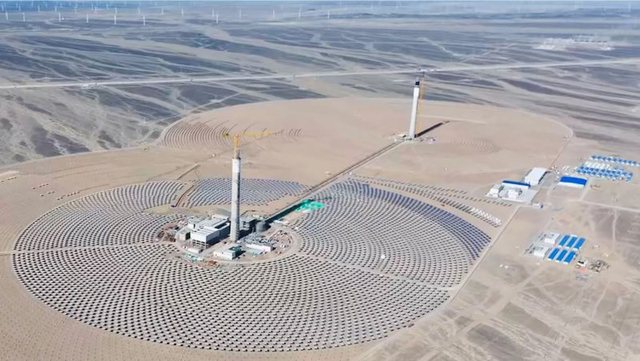
China is using solar energy in a new way. A new two-tower solar thermal plant, the first of its kind in the world, has been built in Gansu province. Around 30,000 moving mirrors facing the two large central towers generate an incredible amount of energy.
Solar panels that convert sunlight into electricity are a sight you see all over the world. But solar thermal energy is a little different.
Instead of using solar panels, thousands of mirrors are used. Each of them reflects up to 94% of the light it receives to the relatively small area of the towers, explains Interesting Engineering. This produces a tremendous amount of heat, which can also be used for melting.
Like coal and nuclear power plants, solar power plants use heat to turn water into steam. The rising steam then drives turbines, which generate electricity. The solar thermal plant also contains a large amount of molten salt, which stores heat like a battery stores electricity. When the sun goes down, the heat from the salt continues to produce steam - meaning this is solar power that can run 24/7.
To maximize the amount of sunlight collected, mirrors around the towers move, following the movement of the sun. In the morning, most mirrors project absorbed light onto the east tower; in the afternoon, some go to the west tower. This principle can serve to maximize the energy gained, through the addition of towers in other positions.
The Guazhou towers will be part of a complex of several clean energy plants. Together, they are expected to produce 1.8 billion kilowatt-hours of electricity each year. These methods of generating energy are not only efficient and affordable; they also avoid polluting the air with toxic and heat-trapping chemicals. The complex will prevent about 1.7 million tons of carbon pollution. This will serve the Chinese government's goal of building 1,200 gigawatts of less polluting power capacity by 2030.