


FLASH NEWS
IMF: War in the Middle East threatens to cause chaos in the global economy

2026-04-14 17:10:55 / BOTA
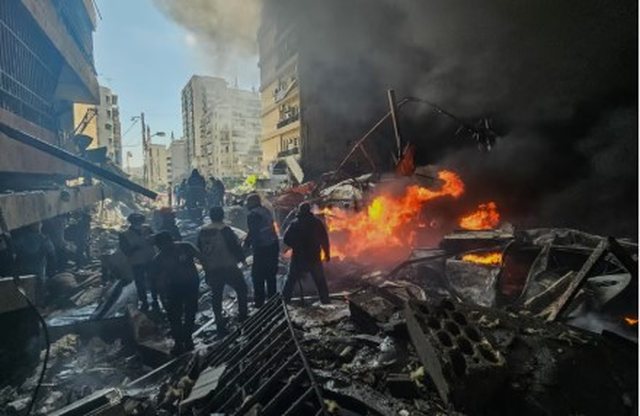
The war in the Middle East could cause chaos in the world economy if it is not resolved soon, the International Monetary Fund warned on Tuesday.
Poorer countries will suffer the most, while the US will remain relatively isolated, the IMF said in its main publication on the global economy.
The Washington-based fund warned that global growth could slow to just 2 percent this year without a quick resolution to the six-week conflict in Iran, due to a combination of rising energy and food prices and a sharp rise in market interest rates that could hamper capital flows to much of the world.
The same factors could push global inflation above 6 percent next year, she warned.
Finance ministers and central bank governors from around the world will be talking about other things at the IMF and World Bank spring meetings this week in Washington, D.C., and the IMF figures – like many from private sector forecasters – make it clear how serious the risks of a protracted major conflict are.
Of course, the IMF's baseline forecast still relies on the hope that things will return to normal by mid-year, leaving little more than a small dent in an economy that has performed more strongly over the past year than was widely feared when US President Donald Trump launched his trade war against the rest of the world.
Under this central scenario, growth would be 3.1 percent this year, just 0.2 percentage points lower than the IMF thought in January. In 2027, it would be 3.2 percent, unchanged from the January forecast.
But under a severe scenario, with prolonged disruptions to shipping in and out of the Persian Gulf and more widespread damage to energy production and export infrastructure, the IMF warned that oil prices could rise to an average of $125 a barrel by next year, and that European and Asian natural gas prices could triple. That could force central banks around the world to raise interest rates sharply to contain a new wave of global inflation.
The effects of such a catastrophe would be unevenly distributed, the IMF warned, saying: “In both adverse and severe scenarios, the impact on emerging markets would still be greater than that on advanced economies.”
Happening now...







Denouncing Berishism is a prerequisite for denouncing the government
Nga Blendi Kajsiu
ideas

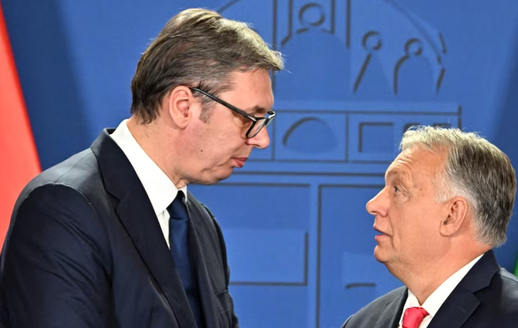
The Hungarian lecture and 4 messages for the political establishment in Albania
Nga Kreshnik Spahiu

Viktor Orban dictator?
Nga Indrit Vokshi

top


Alfa recipes







services
- POLICE129
- STREET POLICE126
- AMBULANCE112
- FIREFIGHTER128