


FLASH NEWS
Amazon and Meta are shrinking/The tech jobs crisis is real

2026-05-10 08:49:44 / BOTA
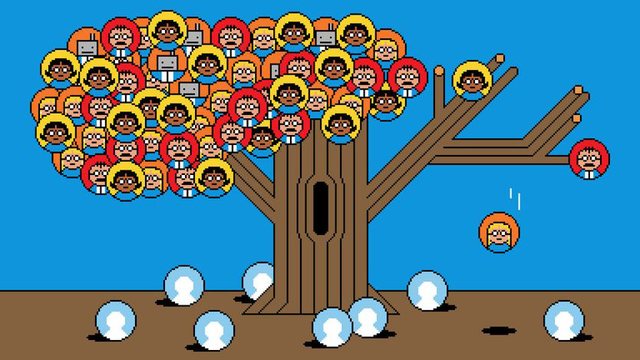
US technology companies are in the midst of a wave of layoffs. Oracle, a company aiming to expand into cloud technology, has just laid off thousands of employees.
Block, a well-known name in digital payments, is cutting more than 4,000 jobs, nearly half of its workforce.
Amazon and Meta are shrinking. From 2022 to 2025, these tech firms and five other giants in this field hardly increased the number of employees at all.
Total employment, both in and out of technology, in San Francisco, the world's tech capital, has fallen by 3% since the beginning of 2023.
According to the way executives present it, this is not because the industry is struggling. Rather, it is because the sector is in the midst of a generational boom, thanks to Artificial Intelligence (AI).
Its supporters argue that AI is becoming too skilled, too fast, at the very kind of work that many tech workers do, and in a frightening way, as the latest Anthropic model shows. Humans are becoming redundant.
Fears of an AI-driven tech job apocalypse have spread beyond Silicon Valley. In America, tech's share of overall employment has fallen from a peak of 2.5% in late 2022 to 2.3% today.
More than 500,000 tech jobs are “missing,” compared to previous trends. Some subindustries have shrunk faster. “Internet search portals and all other information services” employ 7% fewer people than in December 2022.
High earners, many of them tech people, think more disruption is coming. The richest 10% are more worried than ever about jobs.
We have collected comparable data on technology employment in the US, Australia, the UK, Canada, France, Japan and Norway. These include companies in software development, programming and cloud computing.
Tech employment grew significantly in the years leading up to 2022. In November of that year, OpenAI released ChatGPT to the public, ushering in the age of AI. Since then, tech’s share of overall employment has stagnated or declined. Surely this isn’t a coincidence?
It could be. For economists studying the impact of AI on the labor market, the launch of ChatGPT is a convenient starting point. But it’s also misleading.
The first AI tools were primitive.
Only since Anthropic's February 2025 release of Claude Code, an AI assistant, has the idea that an AI tool could replace a software engineer become somewhat credible.
Deri në muajt e fundit, kur Claude Code ka pushtuar firmat e teknologjisë, çdo ngadalësim i rekrutimit vështirë se mund t’i atribuohej shumë IA-së.
Entuziastët e IA-së, të ngazëllyer nga këto mjete, e mbivlerësojnë edhe popullaritetin e tyre dhe, si rrjedhojë, efektet e tyre makroekonomike. Byroja e Regjistrimit të Popullsisë në Amerikë vlerëson se vetëm rreth 25% e firmave në zonën e San Franciskos e përdorin IA-në rregullisht si pjesë të operacioneve të përditshme.
Në të gjithë Amerikën, përdorimi është shumë më i ulët. Dhe përdorimi nuk do të thotë domosdoshmërisht zhvendosje e vendeve të punës.
Një vrojtim i fundit i firmave në Amerikë, Australi, Britani dhe Gjermani, nga Ivan Yotzov i Bankës së Anglisë dhe kolegët e tij, zbulon se gjatë tre viteve të fundit, IA ka pasur zero ndikim mbi punësimin.
Historia është një tjetër arsye për t’u ndalur. Mund të mendoni se, teksa ekonomitë bëhen më të varura nga teknologjia, rritja e peshës së teknologjisë në punësimin total është një ligj i hekurt i natyrës. Megjithatë, gjatë pjesës më të madhe të viteve 2000, kjo peshë në Amerikë, Australi, Britani dhe Kanada pothuajse nuk lëvizi.
Madje edhe në vitet 2006-07, kur bota e pasur po frynte një flluskë financiare, punësimi në teknologji ishte i dobët. IA nuk kishte faj.
Atëherë, ajo që pengoi rritjen e punësimit ishte shpërthimi i flluskës dotcom në vitin 2000. Pas asaj plasjeje spektakolare, shumë firma të teknologjisë gradualisht mbetën pa para dhe u detyruan të mbylleshin.
Por nga mesi i dekadës kishin hyrë në lojë edhe faktorë të tjerë. Për të kursyer para, kompanitë zhvendosën më shumë detyra te kompanitë e Teknologjisë së Informacionit (TI), si Tata Consultancy Services dhe Infosys të Indisë.
Po ashtu, normat e interesit në Amerikë nisën të rriteshin në fund të vitit 2004. Kostot më të larta të huamarrjes i dekurajuan bizneset të investonin në softuerë dhe pajisje kompjuterike, duke ulur kërkesën për njerëzit që i instalonin dhe i menaxhonin ato.
Gjendja e sotme e njerëzve të teknologjisë duket në mënyrë të frikshme e ngjashme. Shumë firma u hodhën në një ethe punësimesh gjatë pandemisë së Covid-19, kur konsumatorët e mbyllur kërkonin me ngulm gjithçka digjitale.
Në vitin 2022, normat e interesit nisën të rriteshin shpejt, pasi bankat qendrore kuptuan se inflacioni i lidhur me pandeminë nuk ishte një ftohje sezonale, por diçka më kronike; në vitin 2023, rritja e investimeve të biznesit në TI u ngadalësua ndjeshëm.
Firmat iu kthyen sërish zhvendosjes së shërbimeve jashtë vendit për të kursyer kosto. Nga viti 2021 deri në 2024, importet amerikane të shërbimeve që lidhen me kompjuterizimin cloud dhe ruajtjen e të dhënave u më shumë se dyfishuan.
Pse të punësosh dikë me një pagë të lartë në Amerikë, kur të njëjtin shërbim mund ta marrësh nga Bangalore për një të katërtën e çmimit?
Edhe një zhvillim më pak i dukshëm po ndikon. Ndonëse shumë biznese të teknologjisë kanë ngrirë punësimet, industri të tjera i lakmojnë punonjësit me aftësi teknologjike.
Data by occupation in America, which sees people describing themselves as "software developers" and so on, suggests a strong demand for technology workers.
Today, 3.7% of people have technology-related occupations, up from 3.6% in November 2022.
A new study by Leland Crane and Paul Soto of the Federal Reserve suggests that the pace of growth in the ranks of programmers in companies has slowed after the introduction of ChatGPT, but is still growing.
Even outside the AI economy, retailers, banks, manufacturers and others who still account for the majority of jobs in the rich world are hoping that AI can enable a single technician to do more work.
But many of these firms employ few tech people, which still leaves a lot of demand for tech skills.
From 2022 to 2025, the number of American workers in computers and software grew by 12% in retail trade, 75% in real estate, and nearly 100% in construction.
Tech jobs aren't disappearing. They're just spreading across the economy. Once upon a time, the path to riches was through Google or Meta. Now, a young programmer can apply to work at Starbucks, not as a barista./Monitor
Happening now...
















Sali Llapa
Nga Bato Kosova
ideas

Republic of Thieves!
Nga Gjergji Nika

Albania, this ship stuck in the business of theft!
Nga Edison Ypi

top



Alfa recipes








services
- POLICE129
- STREET POLICE126
- AMBULANCE112
- FIREFIGHTER128