


FLASH NEWS
Study: More than half of TikTok videos about mental health contain misinformation

2025-05-31 23:27:51 / TRENDING
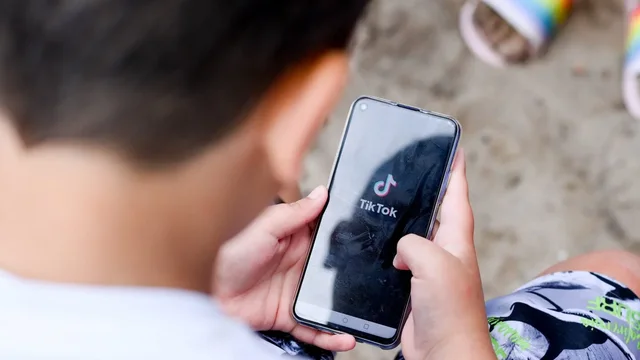
More than 50% of the most watched videos on TikTok offering mental health advice contain misinformation, according to an investigation published by The Guardian, raising serious concerns among experts in the field and British MPs.
The investigation involved analyzing the 100 most popular videos posted under the hashtag #mentalhealthtips, which were evaluated by a panel of psychologists, psychiatrists, and academics. Of these, 52 were deemed inaccurate or dangerous for spreading misinformation about anxiety, depression, trauma, and other mental disorders.
Experts criticized the use of therapeutic terms out of context, simplified suggestions for complex issues, and the promotion of treatments without scientific basis, such as eating oranges in the shower to reduce anxiety or using unapproved supplements.
“Many of these videos pathologize normal everyday feelings and present the experiences as serious mental illnesses ,” said Dr. Dan Poulter, a psychiatrist and former health minister.
Amber Johnston, a clinical psychologist, warned that many videos create the false impression that trauma treatment is quick and universal, while the reality requires personalized care from qualified professionals.
Social platforms under criticism
British MPs reacted strongly to the revelations, calling them “disturbing” and “condemning.” They called on the government to regulate digital content more strongly, especially that which directly affects the mental health of citizens, especially young people.
"TikTok's algorithms are amplifying misinformation related to mental health," said Chi Onwurah, chair of the British Parliament's Technology Committee. She added that there are glaring shortcomings in the Online Safety Act, which needs to be strengthened to address this problem.
In response to the criticism, TikTok said its platform is an open place for personal expression and sharing authentic experiences, but that 98% of content harmful to mental health is removed before it is reported, according to the company.
The platform also said it collaborates with the WHO and the NHS to provide accurate information and direct users to reliable sources.
Meanwhile, experts continue to warn that although social media can help raise awareness, they cannot replace professional diagnosis and specialized support in the field of mental health.



Happening now...









America may withdraw from Europe, but not from SPAK
Nga Gentian Gaba
ideas


Who is the Surrel Rabbit?
Nga Sidi Hasanaj

The two wrong paths of the opposition with the Ombudsman
Nga Patrik Sadikaj
top


Alfa recipes




TRENDING 



services
- POLICE129
- STREET POLICE126
- AMBULANCE112
- FIREFIGHTER128