


FLASH NEWS
Bruce Willis' health condition: What is known about his diagnosis?

2025-02-24 17:06:21 / SHOWBIZ
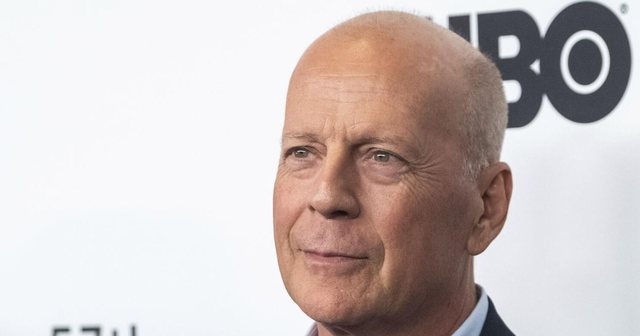
The family of American actor Bruce Willis has announced that his previous diagnosis has developed into frontotemporal dementia. In a post shared online, the family said they are grateful for all the love they have received from the public and fans of the actor. His ability to communicate has also been affected and he can no longer speak or understand as he used to, said Glenn Gordon Caron, a close friend of the actor.
– What is FTD?
FTD is a term for a group of dementias that primarily affect the frontal and temporal lobes of the brain, which are responsible for things like personality, behavior, language, and speech.
FTD is a "rare" form of dementia that affects only one in 20 people diagnosed with dementia.
– What causes FTD?
FTD is caused by an “abnormal buildup of proteins within the brain” that damages cells. It is not known why this buildup occurs, but it is thought to have a genetic link in about a third of people with the diagnosis.
FTD is most common in people aged 40 to 60, but can also affect younger or older people, the charity said. Willis is 67 years old.
The NHS says that, like other forms of dementia, FTD tends to develop slowly and gradually worsen over the years.
– What are the symptoms of FTD?
There are two types of FTD – behavioral variant FTD (bvFTD) and primary progressive aphasia (PPA).
BvFTD, which results from damage to the frontal lobes of the brain, causes mainly behavioral and personality problems. PPA, when damage occurs in the temporal lobes on both sides of the head closer to the ears, causes language problems.
Willis' family said the communication challenges are just one symptom of the illness the actor was dealing with. FTD can also cause physical problems, including slow or stiff movements, loss of bladder control, loss of bowel control, muscle weakness or difficulty swallowing.
There is no prevention or cure for FTD and it is often best to “focus on practical strategies to help the person live as well as possible with the diagnosis.”
-

Milan and Conceição at a crucial crossroads, two matches, one result
February 24, 16:54 -

-

-

-
Happening now...






America may withdraw from Europe, but not from SPAK
Nga Gentian Gaba
ideas

Who is the Surrel Rabbit?
Nga Sidi Hasanaj

The two wrong paths of the opposition with the Ombudsman
Nga Patrik Sadikaj
top


Alfa recipes




TRENDING 




services
- POLICE129
- STREET POLICE126
- AMBULANCE112
- FIREFIGHTER128