


FLASH NEWS
Scientific evidence for many Great Flood legends

2025-06-12 15:22:16 / MISTERE&KURIOZITETE
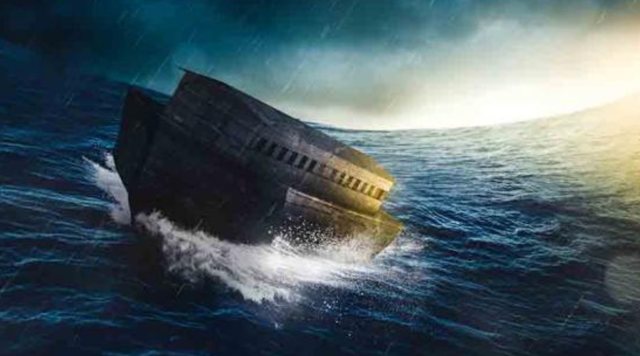
Have you ever heard of the story of Noah's Ark? The story of the great flood is one of the most well-known in the Bible. But it is not the only story that speaks of a Great Flood. Christians are well aware of the story of Noah, when God destroyed all of his creation through the Great Flood because of the wickedness of people.
While many people perceive all this as the Myth of the Great Flood, scientists have discovered evidence of this gigantic flood. In addition to the Bible, such a flood is mentioned in many ancient texts. Thus, in the Epic of Gilgamesh in India, Enlil, the supreme God, decided to destroy the entire world with a great flood, because people had become increasingly noisy.
Ea, the God who created mankind from divine blood and clay, secretly warned Utnapishtim of the flood, and instructed him to build a boat to escape. In the Book of Genesis in the Bible, it is written that Yahweh (the name of the monotheistic god of the Israelites), who created man from dust, decided to cause the Great Flood on Earth because of the increasing corruption of humanity.
However, God was pleased with Noah, so He taught him to build an ark to save people and animals. After it was finished, Noah, his entire family, and two of every kind of animal on Earth entered the ark. As soon as the door of the ark was closed, the destructive flood began, wiping out all other living things.
After the flood ended, all those who survived inside the ark came out, and God promised that He would never punish people with anything like it again. The rainbow is still known today as the symbol of God's promise.
According to Zoroastrian Mazdaism, Ahriman attempted to destroy the entire world with a drought. It is believed that Mithra shot an arrow at a rock, and at that moment the flood began. Only one man, along with his livestock, survived the flood by taking refuge inside an ark.
According to Plato, the Timaeus describes a flood myth that is very similar to other versions of the great flood. According to the Timaeus, the human race angered Zeus with their constant fighting. He decided to cause a flood to punish humanity.
Prometheus, who created humans from clay, gave Deucalion advance notice, advising him to build an ark. It took nine days and nights for the water to recede, and finally the ark came to rest on a mountaintop.
So as you can see, while there are a number of stories or myths about the Great Flood, scientists have recently found evidence of this flood. Scientists believe that the great flood occurred about 7,000 years ago in the region around the Black Sea.
Në një libër me titull “Përmbytja e Noes:Zbulimet e reja shkencore rreth ngjarjes që ndryshoi historinë”, biologë detarë Uollter Pitman dhe Uilliam Rajan, flasin mbi një përmbytje që ndodhi disa mijëra vjet më parë, para se historia biblike të shkruhej nga hebrenjtë e lashtë.
Sipas tyre, gati 12.000 vjet më parë, pas epokës së fundit akullnajore, Deti i Zi ishte një liqen me ujë të ëmbël dhe pjesërisht i tharë. Ai u nda nga Deti Mesdhe dhe nga Ngushtica e Bosforit, që është një rrip toke.
Bregu i Detit të Zi ishte pjellor, ndaj u përdor nga njerëzit për të ngritur shoqëri të mëdha bujqësore. Kur fletët e akullit që mbuluan Hemisferën Veriore filluan të shkrijnë, nivelet e detit filluan të ngriheshin. Besohet se Deti Mesdhe e çau ngushticën e Bosforit rreth 7.600 vjet më parë.
Niveli i Detit të Zi po rritej me 15 cm çdo ditë. Brenda një viti, rreth 15.539.929 hektarë tokë u zhdukën nën ujë. Banorët u zhvendosën në zona të ndryshme më të larta, dhe nuk u kthyen më aty. Pitman dhe Rajan supozojnë se kjo histori dramatike u transmetua brez pas brezi për 3.000 vjet, dhe është regjistruar në formën e miteve dhe këngëve.
Një nga versionet besohet të jetë historia e Arkës së Noes që gjendet në Bibël.Hipoteza e dy biologëve detarë, bazohet kryesisht në bërthamat e sedimenteve të Detit të Zi, si dhe profilet sizmike. Bërthamat treguan një histori të çuditshme dhe unike. Pitman dhe Rajan zbuluan një shtresë të vetme balte që kishte mbetur pas përmbytjes së madhe.
Sipërfaqja përmbante baltë, fosile, rrënjë bimore dhe molusqe të ujit të ëmbël që ishin të ngjashme me bregun e tharë të bregdetit. Vija bregdetare antike ishte zhytur rreth 140 metra nën Detin e Zi. Po ashtu, biologët detarë kanë theksuar gjithashtu se sipas studimit të civilizimeve antike të bëra nga arkeologët, gjatë përmbytjes u shfaqën disa popuj me zakone të reja në vende të ndryshme.
Gjurmë të tyre janë gjetur nëEgjipt, por edhe në rrëzë të Himalajeve dhe në rrethinat e Parisit dhe Pragës. Shumica e këtyre njerëzve “të rinj” ishin folës të gjuhëve indo-evropiane. Rajan dhe Pitman, thonë se këta popuj mund të ishin fermerët e Detit të Zi që u detyruan të linin shtëpitë e tyre për shkak të Përmbytjes së Madhe.
Prova për këtë përmbytje ka gjetur edhe arkeologu nënujor me famë botërore Robert Balard, i njohur veçanërisht për gjetjen dhe eksplorimin e rrënojave të Titanikut. Balard gjeti prova të njerëzve që kishin humbur jetën në Përmbytjen e Madhe që ndodhi në Detin e Zi, dhe i lidhi ato me historinë e Arkës së Noes.
Balard dhe ekipi i tij përdorën teknologjinë e përparuar robotike, për të gjetur prova që mund të mbështesnin historinë e Noes. Ata zbuluan një vijë bregdetare antike, që ndodhej rreth 168 metra nën sipërfaqen e ujit. Balard mori disa mostra, përfshirë molusqet e ujit të kripur dhe ujërave të ëmbla nga plazhi antik.
When the samples were radiocarbon dated, it was found that the freshwater clams were relatively older compared to the saltwater ones. It can be assumed that all the clams died due to the occurrence of a flash flood. The analysis revealed that the clams died out sometime around 5,600 BC, roughly the same time that the Great Flood is believed to have occurred during the time of Noah.
About 94 meters down in the Black Sea, Ballard and his team also found an ancient house that had collapsed. In addition to the house, they discovered a number of stone tools, pottery vessels, and ancient clay. Archaeologists believe the culture found at the bottom of the sea was thousands of years old.
Evidence gathered by Robert Ballard and his team suggests that the great story of the traumatic flood was passed down from generation to generation. It also inspired the story of Noah's Ark mentioned in the Bible./ Bota.al
-

-

-

28-year-old found dead in Fier, suspected of hanging
June 12, 14:54 -

The still unpublished EP report, which knocks everyone down
June 12, 2:47 PM
Happening now...
















America may withdraw from Europe, but not from SPAK
Nga Gentian Gaba
ideas


Who is the Surrel Rabbit?
Nga Sidi Hasanaj

The two wrong paths of the opposition with the Ombudsman
Nga Patrik Sadikaj
top



Alfa recipes




TRENDING 




services
- POLICE129
- STREET POLICE126
- AMBULANCE112
- FIREFIGHTER128