


FLASH NEWS
The number of indictments against Kosovo Albanians is increasing

2025-06-16 19:25:19 / KOSOVA
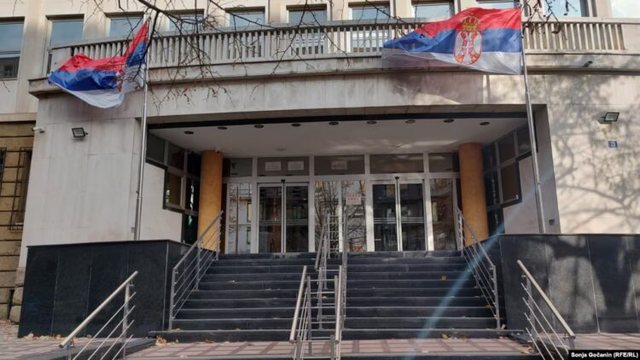
Unlike previous years, the War Crimes Prosecution in Serbia has significantly increased the number of indictments during 2024. This also happens in Kosovo, where the Special Prosecution during 2024 has filed six indictments against 11 members of the Serbian forces for trials in absentia.
Serbia and Kosovo reached an agreement on mutual legal assistance in 2013, mediated by the European Union, which provides for the exchange of judicial requests between the two countries.
However, according to the Kosovo Justice Institute, Serbia has not cooperated in any case related to war crimes.
How many court decisions have been issued?
The Supreme Court in Belgrade sentenced Tefik Mustafa to one year in prison in February 2024 for "organizing and inciting the commission of genocide and war crimes."
Mustafa was arrested in June 2024 at the border crossing in Merdar, while the Prosecution accused him of having participated in June 1999, along with about ten members of the Kosovo Liberation Army (KLA), in the kidnapping of three civilians near the village of Llabjan.
"According to the verdict, the court, without sufficient evidence, accepted the indictment's claim that the specific KLA group was organized to commit criminal offenses. When announcing the verdict, the court did not justify to the public why it had completely rejected the defendant's defense," the Sentencing Fund said in a statement. He was sentenced in December 2024 to six years in prison for the same offense. He had been arrested by Serbian authorities five years earlier and has remained in custody the entire time.
"The fact that most of the indictment was not proven, while the accused was convicted of only one count, creates the impression that the indictment was not based on solid evidence, but was driven by political demand," the HLC report states.
In addition to the decision against Mehmetaj, the High Court in Belgrade during 2024 also made public three first-instance verdicts for crimes during the war in Bosnia and Herzegovina, as well as two decisions in repeated proceedings.
In April 2024, seven former members of the Yugoslav People's Army (JNA) were sentenced to a total of 56 years in prison for the massacre of Kosovo Albanians in the villages of Qyshk, Zahaq, Pavlan and Lubeniq in 1999.
"Although the indictment, through amendments and additions, included numerous crimes committed by the accused, the decision significantly narrowed criminal responsibility and drastically reduced the number of victims," the HLC report states.
According to the same report, UPJ members were convicted only for the murder of 57 civilians in Cuska, while no one was found guilty for the murder of 42 civilians in Lubenic and 17 in Zahac – crimes also documented by the Hague Tribunal.
FDH vlerëson se dënimet për shumicën e të akuzuarve ishin joproporcionale dhe disa madje më të ulëta se minimumi i paraparë me ligj.
“Shumë nga provat e paraqitura gjatë procesit zbuluan se përgjegjësia për këto krime nuk mbaron tek ekzekutorët e drejtpërdrejtë, por përfshin edhe zinxhirin komandues të Ushtrisë së Jugosllavisë, i cili nuk është përfshirë fare në aktakuzë”, thekson raporti.
Gjykimi për këtë rast zgjati 14 vjet. Aktgjykimi i parë u shpall në vitin 2014, por një vit më vonë u anulua nga Gjykata e Apelit e Serbisë.
Gjyqet që zgjasin pafund
Një nga shembujt më të qartë të zvarritjes së proceseve gjyqësore është rasti për rrëmbimin dhe vrasjen e udhëtarëve nga treni në fshatin Shtërpci në Bosnje e Hercegovinë më 1993, ku aktakuza kundër pjesëtarëve të njësisë “Hakmarrësit” u konfirmua vetëm në vitin 2018.
Procesi gjyqësor nisi në janar 2019, por Gjykata e Apelit e shfuqizoi aktgjykimin e shkallës së parë në nëntor 2023 dhe lënda u kthye për rigjykim.
“Ky është një shembull drastik i mosveprimit dhe mungesës së efikasitetit të gjyqësorit, që tregon se sa shumë institucionet e drejtësisë kontribuojnë në vonesat gjyqësore dhe mohimin e drejtësisë për viktimat”, thuhet në raportin e Fondit për të Drejtën Humanitare (FDH), duke shtuar se dy nga të akuzuarit kanë vdekur ndërkohë.
Edhe gjykimi për vrasjen e 1.313 civilëve boshnjakë në Kravicë pranë Srebrenicës, i cili ka nisur në fund të vitit 2016, ende vazhdon në fazën e administrimit të provave pas më shumë se tetë vjetësh.
Prokuroria në Serbi ka ngritur aktakuzë ndaj tetë pjesëtarëve të Brigadës Speciale të Policisë së Republikës Sërpska për krime lufte kundër popullatës civile, ndonëse gjykatat në Bosnje dhe në Hagë për të njëjtat vepra kanë dhënë dënime për gjenocid ose krime kundër njerëzimit.
“Prokuroria, në mënyrë të pasinqertë, e fsheh faktin se ndjekja penale për gjenocid është politikisht e papranueshme në Serbi, sepse përfaqësuesit më të lartë shtetërorë nuk e njohin vendimin se në Srebrenicë ka ndodhur gjenocid”, thekson raporti i FDH-së.
Të gjithë të akuzuarit në këtë rast mbrohen në liri. Gjatë vitit 2024, për shkak të mungesës së tyre, nuk janë mbajtur 15 seanca gjyqësore.
“Arsyetimi për gjendje të keqe shëndetësore është shndërruar në mjet për zvarritje të qëllimshme të proceseve dhe për të arritur shpalljen e paaftësisë procedurale të të akuzuarve”, thotë FDH.
Në raport përmendet se që në vitin 2010, FDH-ja ka dorëzuar kallëzim penal kundër disa pjesëtarëve të lartë të ushtrisë së Republikës Sërpska për dyshim të pjesëmarrjes në gjenocid në Srebrenicë, por deri në fund të vitit 2024, Prokuroria serbe nuk ka nisur asnjë hetim.
Nuk është zbatuar as aktgjykimi i Gjykatës së Bosnjës nga viti 2014, me të cilin Novak Gjukiq ishte dënuar me 20 vjet burg për vrasjen e mbi 70 personave në portin e Tuzllës. Ish-gjenerali i ushtrisë së Republikës Sërpska kishte ikur në Beograd para shpalljes së vendimit dhe jeton atje i lirë.
Is there regional cooperation?
Despite the existence of the Protocol on Cooperation in Prosecution of War Crimes Perpetrators, the Prosecutor's Office in Serbia refuses to hand over cases to the judicial authorities in Bosnia.
One example is that of Miomir Jasikovac, former commander of the military police unit of the Zvornik Brigade of the RS army, who was indicted in Serbia for war crimes just days after the Bosnian Prosecutor's Office had indicted him for genocide in Srebrenica.
The Serbian prosecution significantly reduced the number of victims and reached a plea agreement with the accused, sentencing him to a minimum sentence of five years in prison.
So far, only one case has been submitted to Bosnian justice – that of Edin Vranj, a Bosnian citizen, who was arrested in September 2021 on the border between Serbia and Bosnia on suspicion of war crimes. He was released from detention after a month.
"Even in this case, the surrender occurred only after the political intervention of the President of Serbia," the HLC report states.
Although more than a year has passed since the Hague Tribunal transferred the trial of the leader of the Serbian Radical Party to Serbia for contempt of court, the process in Belgrade has not yet begun.
Vojislav Seselj, like many convicted war criminals, regularly appears on nationally broadcast pro-government television stations, in the role of analyst.
“Due to the adoption of the UN Resolution on Srebrenica, representatives of the government in Serbia, state media and tabloids led a fierce campaign against the declaration of July 11 as the International Day of Remembrance of the Genocide,” recalled Jovana Kollaric from the HLC.
She added that civil society representatives who called on institutions to vote in favor of the Resolution and recognize the genocide were attacked as "traitors" by pro-government politicians and media.
Even the European Commission, in its latest progress report on Serbia, has warned that "a number of politicians and media outlets, without any consequences, continue to deny war crimes and genocide, as well as to offer support and public space to convicted war criminals."
The Commission concludes that Serbia has not yet demonstrated real commitment to investigating and punishing war crimes./ REL
-
-

-

-

Were dinosaurs going extinct before the asteroid hit Earth?
June 16, 18:51
Happening now...



America may withdraw from Europe, but not from SPAK
Nga Gentian Gaba
ideas

Who is the Surrel Rabbit?
Nga Sidi Hasanaj
The two wrong paths of the opposition with the Ombudsman
Nga Patrik Sadikaj
top



Alfa recipes




TRENDING 




services
- POLICE129
- STREET POLICE126
- AMBULANCE112
- FIREFIGHTER128