


FLASH NEWS
Allergies are coming earlier: What you need to know and how to prevent them

2026-03-15 23:43:51 / JETË
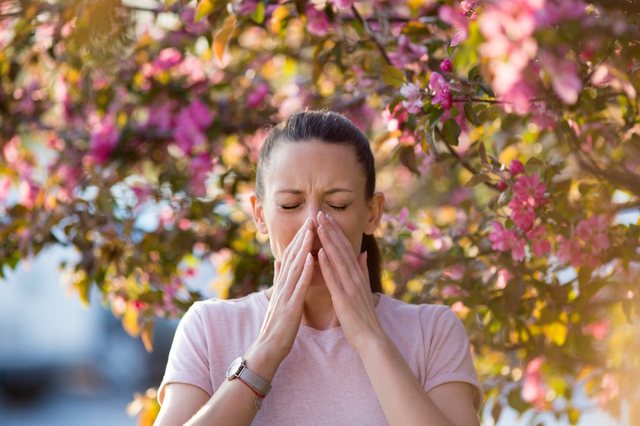
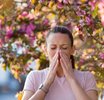
The first signs of allergies often begin with a runny nose, sneezing, and watery eyes. Experts warn that in recent years, allergy season has not only started earlier, but is also becoming more intense and lasting longer, forcing many people to take preventive measures earlier than usual.
The amount of pollen in the air is affected by temperature, precipitation, wind, and frost. Warmer temperatures encourage trees and plants to produce more pollen, while wind can spread it even from distant areas. Climate change and weather patterns have caused the allergy season to start earlier and last longer, increasing the need for preparation.
Experts recommend using nasal steroid sprays before symptoms appear, as they take 1–2 weeks to be effective. Checking daily pollen forecasts can help plan outdoor activities, choosing times when levels are lowest.
To limit your exposure to pollen, close windows and doors in your home and car, use air conditioners with filters, and upon returning home, remove your shoes, change your clothes, and shower. Sunglasses and masks outdoors can reduce pollen inhalation, while saline solutions help clear your nasal passages.
If symptoms persist, allergists can identify specific triggers and recommend the most appropriate treatment.
Happening now...













ideas

Will the new justice system unite the SP and the DP?
Nga Arbër Hitaj

Sovereignty as a fig leaf
Nga Namir Lapardhaja

top





TRENDING 



services
- POLICE129
- STREET POLICE126
- AMBULANCE112
- FIREFIGHTER128