


FLASH NEWS
Study by the International Organization for Migration: Albania risks losing its diaspora forever, the second generation has assimilated and has no connection to Tirana

2026-05-18 10:03:25 / EKONOMI&SOCIALE
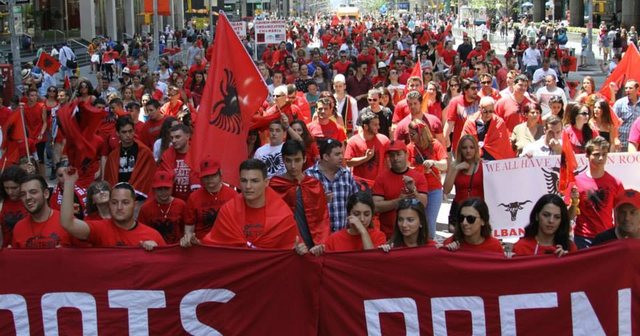
Not only is Albania not benefiting from the potential of the diaspora, it seems to be completely losing connections as the second generation has almost assimilated and does not find much connection to the country.
A recent study by the International Organization for Migration (IOM) focusing on the reintegration of returnees noted chaos in strategic policies and institutions that serve as bridges connecting with the diaspora.
Several IOM expert respondents highlighted the closure of the Minister of State for Diaspora as an obstacle that left the diaspora relationship without a dedicated structure. Respondents said that the transfer of responsibilities of this position to the Ministry for Europe and Foreign Affairs had a negative impact on the continuity, visibility and effectiveness of diaspora engagement in Albania.
This institutional change led to a period of slowdown, as key institutions such as the National Diaspora Agency and the Albanian Diaspora Development Fund experienced reduced or discontinued activity. This slowdown was further exacerbated during the national election period, when institutional decision-making slowed and diaspora-related initiatives were no longer a priority.
An NGO respondent further noted that inter-ministerial coordination, essential for such cross-sectoral initiatives, has weakened following the closure of the dedicated ministry. Some respondents believe that this closure not only put ongoing projects on hold, but also weakened the trust and momentum that had been built between the diaspora and Albanian institutions.
A member of the Diaspora Coordinating Council felt that the council's engagement was no longer a national priority and had been reduced to the level of a foreign affairs issue, symbolically distancing them.
As a result, initiatives related to cultural promotion, economic cooperation, and strategic policy contribution from the diaspora have been fragmented, with low visibility and less institutional support.
Although Albania's diaspora is widely seen as a strategic asset, contributing significantly to GDP through remittances and expertise, the state has yet to create strong structures to channel this potential.
Barriers for diaspora professionals
Another challenge raised by members of the diaspora is the lack of structured channels for diaspora professionals to contribute to Albania’s development. While many are willing to offer their expertise, particularly in areas such as education, healthcare and governance, formal mechanisms to facilitate short-term, remote or project-based engagement are lacking.
Kjo mungesë e programeve të strukturuara si bursat kërkimore, emërimet e përkohshme ose rolet këshillimore kufizojnë aftësinë e profesionistëve të diasporës për t’u angazhuar në mënyrë domethënëse. Anëtarët me kualifikime të larta në diasporën shqiptare, përfshi avokatët, mjekët dhe akademikët, u shprehën se proceset tejet burokratike në Shqipëri ishin pengesë kryesore për kthimin e tyre.
Një profesioniste që jetonte në itali e identifikoi burokracinë si pengesën e saj më të rëndësishme. Një përfaqësuese e qeverisë përmendi se, për shkak të burokracisë së tepruar, njerëzit lodhen dhe humbasin besimin te qeveria.
Një anëtar i diasporës e përsëriti këtë ndjenjë, duke vënë në dyshim nëse mekanizmat institucionale do t’i mbronin në mënyrë të duhur të drejtat e tij, nëse këto do të viheshin në rrezik. U theksua gjithashtu një rezistencë e përgjithshme brenda sistemeve vendase.
Një anëtare e diasporës nga Gjermania tregoi se si përpjekjet e saj për të prezantuar reforma shëndetësore u pritën me dyshim, në vend të bashkëpunimit. Po kështu, një anëtar i diasporës konstatoi me kritikë një prirje të shqiptarëve për të shpërfillur ekspertizën e jashtme, duke e përshkruar atë si qëndrim të njerëzve që i dinë të gjitha.
Një i anketuar me ekspertizë në angazhimin e diasporës vuri në dukje se, ndonëse shumica dërrmuese e diasporës shkencore është e hapur për bashkëpunim, institucionet shqiptare shpesh e kishin të vështirë të angazhoheshin në mënyrë reciproke, për shkak të kufizimeve të përgjithshme të kapaciteteve dhe sfidave operative.
Një i anketuar nga një OJF e përqendruar tek angazhimi i diasporës vuri në dukje sfidat e bashkëpunimit me institucionet publike, duke përmendur kuadrin e ngurtë të veprimit, që pasqyron kufizimet burokratike në sistem.
Shtrirja dhe komunikimi u përmendën në masë dërrmuese nga të anketuarit, si nga diaspora ashtu edhe nga institucionet përkatëse, si çështje që kërkojnë përmirësim.
Anëtarët e diasporës ndihen të paqartë për mënyrën se si të kontaktojnë për çështjet e diasporës. Një sfidë që u përmend sistematikisht ishte mungesa e një baze të centralizuar të dhënash për diasporën, e cila pengon shtrirjen e synuar. Ky problem shkon përtej angazhimit të diasporës, duke ndikuar në zhvillimin kombëtar.
Për shembull, një punonjës shteti kishte bindjen se, nëse ka të dhëna mbi numrin e specialistëve të diasporës, siç janë kardiologët, do të bëhej i mundur organizimi i nismave të përshtatura, si konsultat në distancë ose kontributet periodike.
Në vitin 2020, nisi procesi për një platformë për profesionistët e diasporës me mbështetje ndërkombëtare, por ai u ndërpre për shkak të shqetësimeve për mbrojtjen e të dhënave, sqaroi një i anketuar nga një institucion shtetëror.
Një përpjekje e mëvonshme e sektorit privat për të rifilluar iniciativën u përball me mungesa fondesh. Pavarësisht këtyre pengesave është e vendosur të zhvillohet një platformë të dedikuar, përcjell Monitor.al.
Për përmirësim të cilësisë së jetës nuk ka kthim
Engaging the diaspora in permanent return or circular migration without improving the overall quality of life, especially in terms of access to quality services, is challenging, IOM experts note. Focus groups with diaspora members consistently mentioned the quality of education, healthcare.
A member of the diaspora living in Canada said that, for many, staying abroad is a practical decision rather than a preferred one. He explained that fear of potential challenges such as lack of employment, low wages, problems with education and various other obstacles make returning risky.
A respondent from a state institution believed that a major concern for many diaspora families regarding return is the impact the move would have on their children, which often becomes the deciding factor, more than any incentive.
Another respondent stated that he would only consider returning if the quality of schools and hospitals improved, while a respondent from a state institution emphasized that diaspora doctors need certain guarantees, such as international schools or telemedicine infrastructure, before committing to work in Albania.
The new generation of the diaspora is breaking away
Several participants in an IOM study cited the cultural disconnection of younger generations of the diaspora, warning that second- and third-generation Albanians are rapidly assimilating abroad, while ties to their heritage are fading.
A participant living in Italy highlighted a growing generational divide, noting that younger members of the diaspora are not only less fluent in Albanian, but are also less likely to consider returning.
She expressed concern that with each generation, ties to Albania weaken, as descendants of first-generation diaspora members lose fluency in their language and have less reason to maintain a connection to their country of origin.
Another respondent also noted the disconnect, noting the loss of emotional connection with professional members of the diaspora, especially with members who have significant international networks, an untapped potential that could support Albania's development.
As noted by several respondents, the diaspora strategy does not sufficiently differentiate between the needs and capacities of different segments of the diaspora, such as second-generation youth, highly qualified professionals, or long-term expatriates. This lack of differentiation has resulted in missed opportunities for targeted engagement and more inclusive programming.
Diaspora members themselves expressed limited information about the strategy; some said they had never been contacted or consulted, despite being active professionals with relevant expertise.
Happening now...








Molotov cocktail on Saturday, shopping on Thursday!
Nga Bato Kosova
ideas


top








services
- POLICE129
- STREET POLICE126
- AMBULANCE112
- FIREFIGHTER128