


FLASH NEWS
Hopes for US-Iran deal lower oil prices, Asian stocks rise

2026-05-25 08:37:37 / EKONOMI&SOCIALE
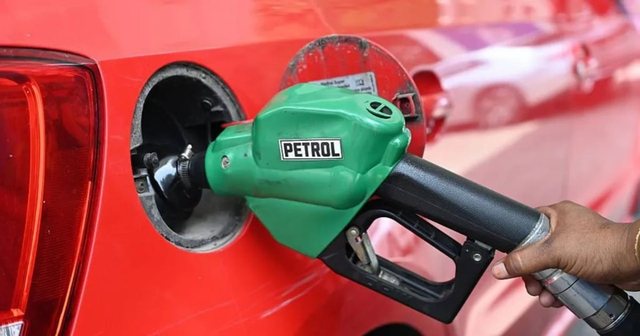
Oil prices fell sharply on Monday, while financial markets in Asia rose sharply after signals of a possible peace deal between the US and Iran.
US President Donald Trump declared that the deal with Tehran was "largely negotiated," although he later asked his negotiating team not to rush toward finalization.
In Asian markets, Brent crude fell 5.5% to $97.90 a barrel, while US crude fell 5.8% to $90.99.
Hopes for reopening of Hormuz boost Asian stocks
Optimism about a deal has also had an immediate impact on Asian stock markets. Japan's Nikkei 225 index rose 2.9%, surpassing the historic level of 65,000 points for the first time. Investors are reacting positively to the possibility of reopening the Strait of Hormuz, the strategic route through which about 20% of the world's supply of oil and liquefied natural gas passes.
Japan and South Korea are considered among the countries most affected by the crisis, as they depend heavily on energy coming from the Persian Gulf.
Trump: Deal is close, but no rush
Trump said he had held talks with the leaders of Saudi Arabia, the United Arab Emirates and Qatar about a “Memorandum of Understanding related to peace.” He added that the final details of the agreement are being discussed and will be made public soon.
However, the US president changed his tone a day later, stressing on Truth Social that "both sides need to take their time and do it right."
Iran warns: Still no agreement on key issues
On the other hand, Iranian diplomatic spokesman Esmaeil Baqaei stated that the positions between the US and Iran have been getting closer in recent weeks, but warned that there is still no agreement on the main topics. He also accused Washington of "contradictory statements."
The war affected global energy markets
Global energy markets have been volatile since the conflict began in late February. Iran has threatened to attack shipping in the Strait of Hormuz, while attacks on Israel and US allies in the Persian Gulf have heightened tensions in the region.
Although oil prices have fallen significantly today, they still remain higher compared to the pre-war period, when Brent traded around $70 per barrel.
Energy expert Saul Kavonic said there was "light at the end of the tunnel" for markets, but warned that full normalization of global oil supplies could take until 2027.
Happening now...













ideas

Enver-Sali!
Nga Indrit Vokshi

Idolaters and idolatry have nothing to do with democracy!
Nga Ardi Stefa

top



Alfa recipes








services
- POLICE129
- STREET POLICE126
- AMBULANCE112
- FIREFIGHTER128