


FLASH NEWS
The Supreme Leaders' Competitions of "democracy" like the competitions of the time of the ALP

2026-05-24 12:40:38 / IDE
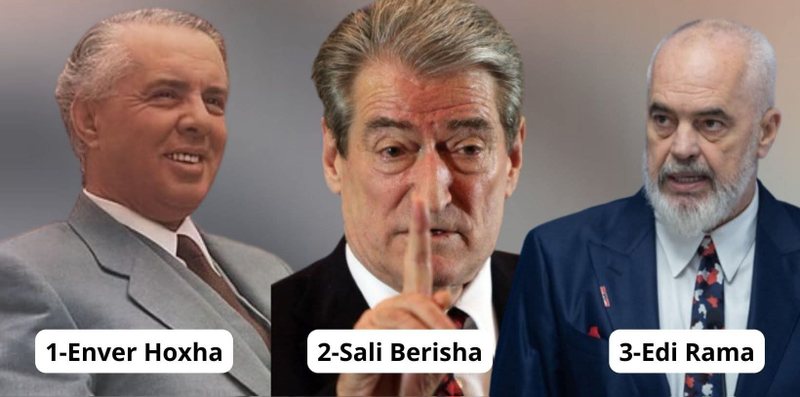
Why does this race resemble the races of the time of the PPSh? Back then, as today, the winner was known before the voting opened, because there was no opponent. Back then, elections were organized to reconfirm the supreme leader, and these elections were held to confirm the supreme leader. In short, it was not a race to choose the leadership, but a ceremony to seal a decision made in advance.
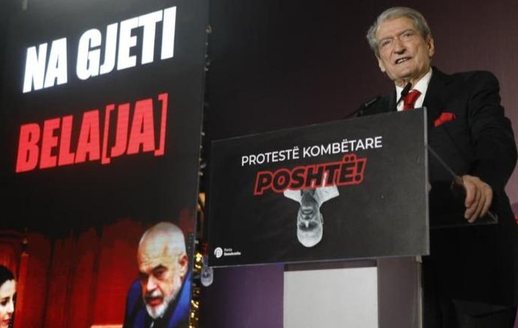
Back then, the concern was not who won, but how many people participated, because participation served to legitimize the regime. Even today, mobilization did not seem like a call for competition, but rather an attempt to produce as many photos, applause, and participation figures as possible to show skeptics that “the democratic people are with the leader.”
Back then, there were “class enemies” who threatened the regime with non-participation. Even today, there are “right-wing enemies,” people who commit the greatest political sin, doubting the supreme leader. Once, the enemy was outside the system; today, the problem is who dares not be in line.
Back then, it was said that it didn't matter who voted, but who counted the votes. Even today, the question is not how many participated, but who counted them, who certified them, and who announced the percentage of participation.
.Back then, election day was presented as a holiday. Today, it was presented as a holiday too. The difference is that a holiday is usually organized after winning something, here the holiday was organized because nothing changed.
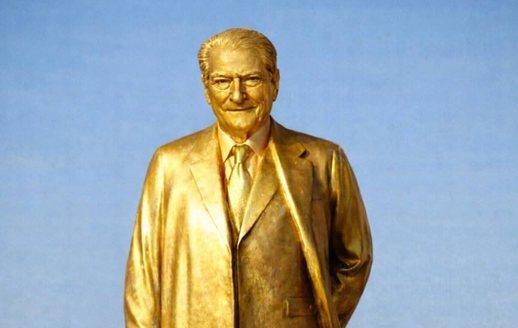
Back then, the leader knew that biological time was not on his side, but that didn't stop him from presenting himself as irreplaceable. Even today, age is not seen as a limitation, but as an argument for political eternity.
Back then, no one thought the leader needed to be replaced, because he was perceived as permanent. Even today, it seems that the problem is not who will replace the leader; the problem is how to imagine the party without him.
Back then, there was competition among the faithful as to who could show more devotion, willingness, enthusiasm, and support for the supreme leader to guarantee the status quo or advance further in their careers. The same thing happened today.
So, what has changed after 35 years of political pluralism? Perhaps the names, logos, flags and slogans. The same logic seems to apply to the Socialist Party, with the difference that it continues to hold power not necessarily because it is different, but because it lacks a real and competitive alternative. When within parties the leader continues to be more important than the institution, loyalty more valuable than debate and confirmation more important than competition, then the problem is no longer just one party. In short, it seems as if we have changed the name of the regime, but not its content. Woe to us who believe that the system should function differently. We are out of the game.
Happening now...






ideas


top



Alfa recipes







services
- POLICE129
- STREET POLICE126
- AMBULANCE112
- FIREFIGHTER128