


FLASH NEWS
Jet fuel prices 'causing chaos': Ryanair and Wizz Air risk record losses

2026-03-08 21:02:24 / EKONOMI&SOCIALE
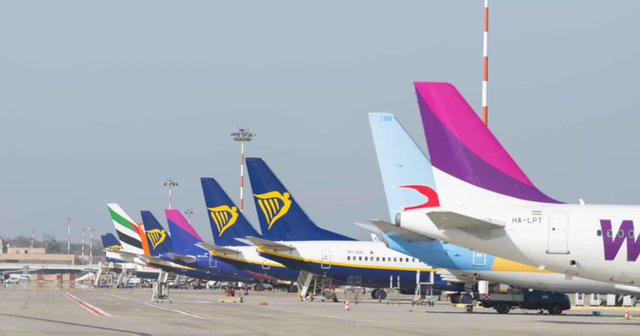
The war in the Middle East is causing a record increase in the price of jet fuel, particularly for low-cost carriers. Analysts warn that the continuation of the crisis could lead some companies to significant financial losses, while travelers could face higher fares.
Fuel prices "cause chaos"
The price of jet fuel has reached historic levels, surprising even industry experts. June Goh, an analyst at Sparta, describes the situation as “total chaos”: the price of jet fuel is now more than twice as high as crude oil, a scenario that was not anticipated.
The role of the Strait of Hormuz
The conflict with Iran has destabilized energy production in the region and disrupted traffic in the Strait of Hormuz, a key route for European jet fuel imports (about 50% passes through it).
Likewise, the Al-Zour refinery in Kuwait provides about 10% of European jet fuel imports, according to Energy Intelligence.
In December 2025, IATA (International Air Transport Association) forecast a net profit of $41 billion for 2026, with Brent oil averaging $62 per barrel and jet fuel at $88. But now, Brent has reached $92.69, pushing jet fuel to $131 per ton, over 50% more than forecast. In Europe, the price has jumped from $830 to over $1,500 per ton, the highest levels since 2022.
Just a 3-month period of jet fuel prices above $123 increases companies' energy bills from $252 billion to $293 billion, wiping out projected profits.
Furthermore, the use of sustainable aviation fuel (SAF), up to five times more expensive, could increase pressure on European companies.
Hedging and protection against price increases
According to Fitch, most EMEA carriers have covered around 50-80% of their fuel for the next three months at more favourable prices. Ryanair has bought 80% of its fuel for the period April 2026–March 2027 at $67, making it relatively protected, however bills could rise to €208m in 2027.
EasyJet has more limited coverage (62%), risking greater losses, while Wizz Air forecasts a loss of around €250 million for the 2026–2027 financial year, with shares falling over 24% in the last five days.
Limited supply from Asia and the effects on the US
Asian refineries are not increasing exports to Europe, making supply more unstable.
In the US, the price of jet fuel has increased by 60% in a few days. Scott Kirby, CEO of United Airlines, warns of a significant impact on first and second quarter results, as American companies do not usually hedge fuel prices.
Hedging is a way that companies use to "secure" the price of fuel they will buy in the future. For example, a company can buy a portion of fuel now, at a fixed price, even though it will use it in a few months. /Corriere della Sera
-

Severe footage/ Tehran in 'flames', Israel attacks oil tanks
March 8, 21:01
Happening now...
















ideas



top






TRENDING 




services
- POLICE129
- STREET POLICE126
- AMBULANCE112
- FIREFIGHTER128