


FLASH NEWS
This is the household appliance that consumes the most electricity

2025-04-17 08:19:20 / EKONOMI&SOCIALE
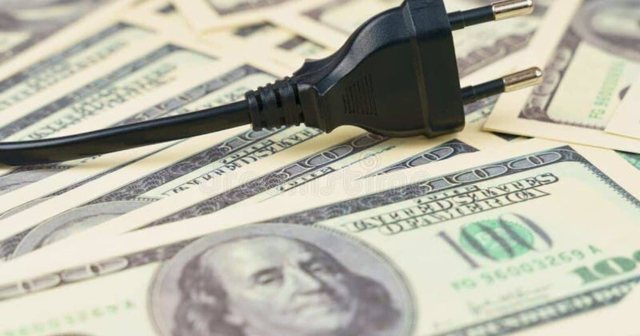
Although electric heating is recognized as the main source of energy consumption in the home, another appliance often goes unnoticed but contributes significantly to the monthly electricity bill: the water heater.
According to the French Agency for Ecological Transition (Ademe) and the European Energy Commission, water heaters can account for 15% to 25% of a household's total electricity consumption. In many cases, their use can be more expensive than appliances such as ovens, washing machines or refrigerators.
With electricity prices rising, understanding the impact of your water heater and learning how to optimize its consumption can help reduce household energy costs.
How much electricity does a water heater consume?
The exact consumption of a water heater depends on several factors, including its capacity, energy efficiency, and the number of family members.
On average, a 200-liter water heater consumes approximately 3,200 kWh per year — a significant portion of your electricity bill. For comparison, a refrigerator-freezer typically uses 350 to 500 kWh per year, an oven around 200 kWh, and both washing machines and dishwashers typically stay under 300 kWh.
Several factors can increase the energy consumption of a water heater. One major factor is the temperature setting. Setting the temperature too high not only increases energy use, but also increases the risk of burns and accelerates the build-up of limescale in the system.
Over time, limescale reduces the efficiency of the appliance, requiring more energy to heat the same amount of water. Furthermore, the number of people in the home and their hot water usage habits can significantly affect overall consumption.
How to reduce water heater consumption
To optimize the use of your water heater and reduce electricity consumption, experts recommend the following steps:
Set the temperature appropriately: Keep the temperature between 50°C and 55°C to balance efficiency and comfort.
Use a timer or programmer: Limit the operation of the water heater to the hours needed instead of running it 24/7.
Upgrading to efficient models: Modern energy-efficient heaters can lead to significant long-term savings.
Change your consumption habits: Take shorter showers and use water dispensers on taps to reduce hot water usage.
As one of the most energy-consuming household appliances – second only to heating – the water heater plays a critical role in energy consumption. Its constant operation and high energy demand make it a major contributor to household bills.
Fortunately, adopting more efficient usage habits, performing regular maintenance, and adjusting settings can help reduce its impact without compromising comfort. These changes not only save money, but also promote more responsible and sustainable energy consumption.
Happening now...















America may withdraw from Europe, but not from SPAK
Nga Gentian Gaba
ideas


Who is the Surrel Rabbit?
Nga Sidi Hasanaj

The two wrong paths of the opposition with the Ombudsman
Nga Patrik Sadikaj
top


Alfa recipes



TRENDING 




services
- POLICE129
- STREET POLICE126
- AMBULANCE112
- FIREFIGHTER128