


FLASH NEWS
Protecting minors from online exposure! Three EU countries call for age restrictions on children's use of social media

2025-06-11 22:11:13 / BOTA
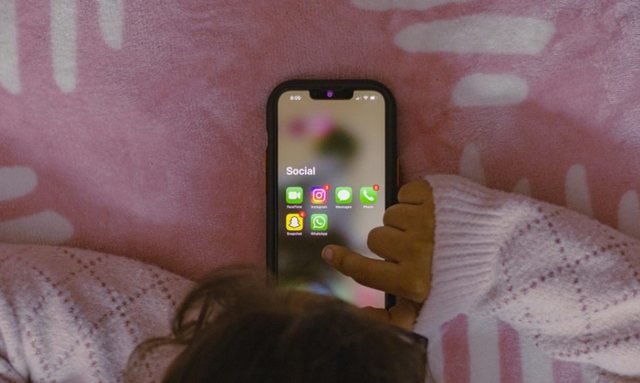
France, Spain and Greece support the idea of establishing a new, stricter and more precise law to ban minors from accessing social networks.
The European discourse on children's access to social media has begun, with three EU member states promoting the idea of a "digital adulthood" or the age below which connection to such platforms should be banned.
For France, Spain and Greece, the goal is to protect minors from dangerous content online.
"Today, in the terms and conditions of use of these platforms, there is already a minimum age limit of 13 years," explains Clara Chappaz, French Minister for Artificial Intelligence and the Digital Economy.
However, Chappaz adds: “We were all kids when we were kids and it’s very easy to change your date of birth. So the current system means that, on average, kids are logging in and creating accounts from the age of 7-8.”
France, Spain and Greece believe that the algorithms used by social networks expose very young children to addictive content, which can lead to increased anxiety or depression.
They also argue that excessive exposure can limit the development of certain skills and harm cognitive abilities in children.
European Union legislation
The EU currently has legislation in place in the form of the Digital Services Act (DSA), which addresses illegal content online, such as hate speech, terrorism and child pornography.
The law has been in effect for almost two years for larger platforms and search engines and a little over a year for smaller organizations.
"We believe that the new rules must first be properly implemented. We have not yet seen all the results," says Constantin Gissler, Executive Director of Dot Europe, which represents online services and platforms in Brussels.
"I think it's a bit hasty at this stage that we're already discussing new rules and I think it's also very important to take more account of the reality and implications of such a ban for minors," he adds.
Paris, Madrid and Athens also propose integrating age verification and parental control systems for internet-connected devices.
The European Commission is currently working on developing an age verification app.
Last month, it published draft guidelines to protect minors, such as measures to verify users' ages or set children's accounts to private by default.
It is also conducting investigations against TikTok, Instagram, and Facebook regarding the protection of minors.
-

'o3-pro''/ OpenAI launches its most powerful model
June 11, 21:32 -

Happening now...










America may withdraw from Europe, but not from SPAK
Nga Gentian Gaba
ideas


Who is the Surrel Rabbit?
Nga Sidi Hasanaj

The two wrong paths of the opposition with the Ombudsman
Nga Patrik Sadikaj
top



Alfa recipes




TRENDING 




services
- POLICE129
- STREET POLICE126
- AMBULANCE112
- FIREFIGHTER128