


FLASH NEWS
Officially in winter! What should you know about December 21?

2024-12-21 23:57:21 / JETË
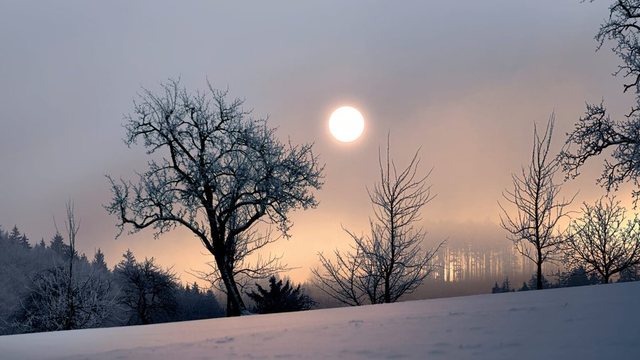
The winter solstice is a unique astronomical phenomenon, and is the time when we have the longest night and shortest day of the year in the respective hemisphere. The winter solstice is a reminder of the harmony of nature and the cyclical rhythms of our planet.
Some of the special features you should know about December 21:
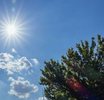
The position of the Sun. During the winter solstice, the Sun reaches its lowest point in the sky for the respective hemisphere. This happens because of the 23.5° tilt of the Earth's axis. In the Northern Hemisphere, the Sun is at the southernmost point of its apparent orbit, while in the Southern Hemisphere the opposite occurs.
Date and time. The winter solstice usually occurs on December 21 or 22 in the Northern Hemisphere and June 20 or 21 in the Southern Hemisphere.
Yes The beginning of the astronomical winter. In many cultures and traditions, the winter solstice marks the astronomical beginning of winter.
Cultural and historical significance. In many cultures, the winter solstice has great spiritual and ceremonial significance:
Stonehenge in England is known as a place where people observed the solstice.
Saturnalia (a Roman festival) and other holidays, such as Yule in Scandinavian cultures, were associated with this moment. In many modern traditions, such as Christmas, symbolic elements are associated with light and rebirth, a theme that reflects the hope for the return of longer days.
Effect on climate and vegetation
After the winter solstice, the days begin to gradually lengthen, bringing a slow increase in sunlight, which affects the biological rhythms of organisms and the natural life cycle.
Happening now...










America may withdraw from Europe, but not from SPAK
Nga Gentian Gaba
ideas

Who is the Surrel Rabbit?
Nga Sidi Hasanaj

The two wrong paths of the opposition with the Ombudsman
Nga Patrik Sadikaj
top

Alfa recipes




TRENDING 




services
- POLICE129
- STREET POLICE126
- AMBULANCE112
- FIREFIGHTER128