


FLASH NEWS
Fear of Ebola "grips" Africa again! How the disease broke out again in Congo, two neighboring countries at risk

2026-05-15 16:31:42 / BOTA
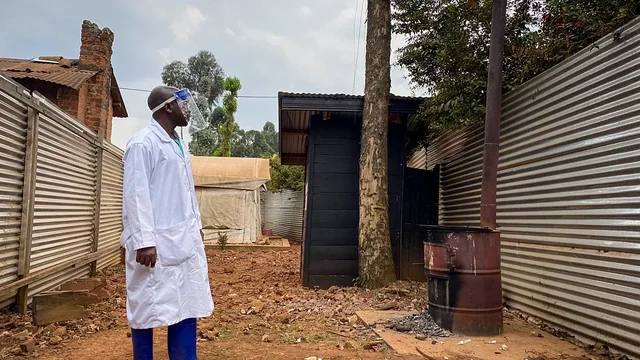
Africa's top public health authorities have confirmed a new Ebola outbreak in Congo.
The new outbreak has caused 65 deaths and 246 suspected cases, the Africa Centers for Disease Control and Prevention said in a statement on Friday.
Here's what you need to know about the health crisis:
Suspected Ebola cases have been recorded mainly in the Mongwalu and Rwampara health zones of Ituri. Suspected cases have also been reported in Bunia, the capital of Ituri province.
Ituri is located in a remote eastern part of Congo with a poor road network and is more than 1,000 kilometers from the country's capital, Kinshasa.
So far, only four of the reported deaths are laboratory-confirmed cases, but the new outbreak was confirmed after many suspected cases.
A major concern, the Africa Centers for Disease Control and Prevention said, is the proximity of the affected areas to Uganda and South Sudan. Bunia, the main town in Ituri, is near the Ugandan border.
The agency said there is also a risk of further spread due to intense population movement, including that related to mining, and security crises in affected areas. Attacks by armed groups have killed dozens and displaced thousands in parts of Ituri province over the past year.
There are also gaps in the contact list, the Africa CDC said, as local authorities rush to find those who may have been exposed to the virus.
The virus was first discovered in 1976, near the Ebola River in what is now Congo. The first outbreaks occurred in remote villages in Central Africa, near the tropical rainforest. Ebola disease is a serious, often fatal disease that affects humans and primates.
The virus is transmitted to humans by wild animals such as bats, porcupines and primates. Ebola is spread through direct contact with the blood, secretions, organs or other bodily fluids of infected people, as well as with surfaces and materials contaminated with these fluids.
Symptoms include fever, fatigue, headache, muscle aches, sore throat, vomiting, and diarrhea. Severe cases can progress to bleeding complications, multi-organ failure, and death.
The average mortality rate for Ebola disease is about 50%. Mortality rates have ranged from 25-90% in past outbreaks, according to the World Health Organization (WHO).
“Ndërsa Ebola mbetet një sëmundje serioze, parandalimi i shpërthimit, reagimi dhe trajtimi janë përmirësuar ndjeshëm gjatë dekadës së fundit”, tha Daniela Manno, asistente profesoreshë klinike në Shkollën e Higjienës dhe Mjekësisë Tropikale në Londër.
“Tani ka vaksina të disponueshme për disa viruse që shkaktojnë sëmundjen Ebola, të cilat mund të ndihmojnë në mbrojtjen e punonjësve të kujdesit shëndetësor dhe në zvogëlimin e transmetimit kur vendosen me shpejtësi rreth rasteve të konfirmuara dhe kontakteve të tyre në një strategji të njohur si vaksinimi në unazë.”
Megjithatë, qasja në vaksina nuk është gjithmonë e lehtë në Kongo për shkak të barrierave strukturore dhe mungesës së fondeve.
Gjatë shpërthimit të vitit të kaluar, i cili zgjati tre muaj, OBSH-ja fillimisht u përball me sfida të konsiderueshme në dhënien e vaksinave, të cilat zgjatën një javë pasi u konfirmua shpërthimi.
Kongo është vendi i dytë më i madh në Afrikë për nga sipërfaqja tokësore dhe shpesh përballet me sfida logjistike në reagimin ndaj shpërthimeve të sëmundjeve për shkak të rrugëve të këqija dhe distancave të gjata midis qendrave të populluara.
Gjatë shpërthimit të fundit, zyrtarët e shëndetësisë ishin të shqetësuar për ndikimin e shkurtimeve të fundit të fondeve nga Shtetet e Bashkuara.
SHBA-të kishin mbështetur reagimin ndaj shpërthimeve të mëparshme të Ebolës në Kongo, përfshirë vitin 2021 kur Agjencia Amerikane për Zhvillim Ndërkombëtar (USAID) siguroi deri në 11.5 milionë dollarë (9.8 milionë euro) për të mbështetur përpjekjet në të gjithë Afrikën.
Shpërthimi i 17-të i Ebolës në Kongo
Shpërthimi i fundit është i 17-ti në Kongo që kur sëmundja u shfaq për herë të parë në vend në vitin 1976.
Kjo ndodh rreth pesë muaj pasi shpërthimi i fundit i Ebolës në Kongo u shpall i përfunduar në dhjetor, pas 43 vdekjeve. Përpara kësaj, shpërthimi i fundit, në provincën verilindore të Ekuatorit në vitin 2022, vrau gjashtë persona.
Një shpërthim i Ebolës nga viti 2018 deri në vitin 2020 në Kongon lindore vrau më shumë se 1,000 njerëz, numri më i madh i vdekjeve pas shpërthimit të viteve 2014-2016 në vendet e Afrikës Perëndimore të Guinesë, Sierra Leones dhe Liberisë, që vrau më shumë se 11,000 njerëz.
Si mund të kontrollohet një shpërthim?
“Ndërhyrjet jo-farmaceutike janë gurët themelorë të reagimit ndaj shpërthimit të Ebolës”, tha Anne Cori nga Shkolla e Shëndetit Publik në Imperial College London.
“Këto ndërhyrje përfshijnë gjetjen aktive të rasteve dhe izolimin, gjurmimin e kontakteve dhe varrimet e sigurta, pasi Ebola është shumë vdekjeprurëse (rreth gjysma e personave të infektuar vdesin) dhe veçanërisht infektive rreth kohës së vdekjes”, shtoi ajo.
OBSH-ja e identifikon angazhimin e komunitetit si çelësin për të kontrolluar me sukses çdo shpërthim.
Outbreak control relies on the use of a range of interventions, such as clinical care, surveillance and contact tracing, laboratory services, infection prevention and control in health facilities, safe and dignified burials, vaccination, when possible, and social mobilization.
Happening now...










Molotov cocktail on Saturday, shopping on Thursday!
Nga Bato Kosova
ideas



top










services
- POLICE129
- STREET POLICE126
- AMBULANCE112
- FIREFIGHTER128