


FLASH NEWS
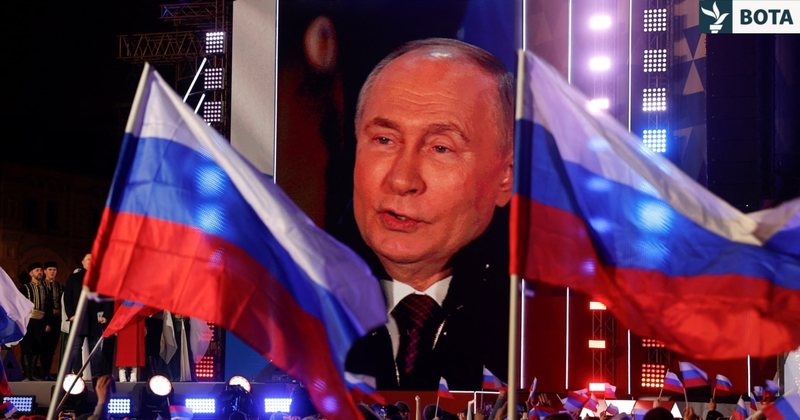
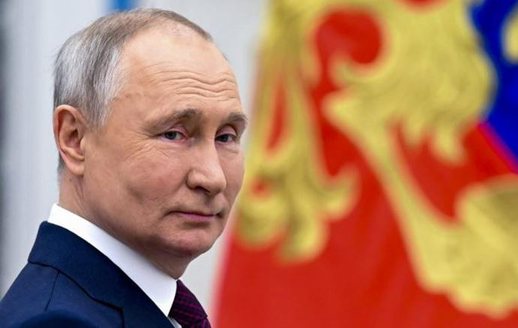
Putin is experiencing something unprecedented in years in Russia: His approval rating has dropped significantly

2026-04-12 19:30:51 / BOTA
Perhaps the blame lies in the massive internet outages ordered by the state for making life difficult for millions of Russians, especially those in Moscow.
Perhaps the fault lies in the Ukrainian drone attacks that have disrupted Russian flight plans and significantly limited Russian oil exports to the Baltic Sea.
Perhaps the culprit is the culling of infected livestock, which has prompted fierce protests from farmers in Siberia.
Perhaps, perhaps, the main culprit is the war against Ukraine, which, despite the Kremlin's promises of a quick victory, is continuing into its fifth year, because Kiev's forces are strongly challenging Russia, which has suffered the loss of about 1.2 million soldiers: killed and wounded during this war.
Regardless of the reasons, the truth is that Russian President Vladimir Putin is no longer as popular as he once was.
In recent weeks, a series of public opinion polls - including two conducted by state-affiliated pollsters - have noted a decline in support for Putin.
FOM, whose main client is the Presidential Administration, a powerful policy-making body within the Kremlin, has recorded the lowest level of public trust in Putin since September 2022.
The drop in ratings does not indicate a political crisis for the Kremlin; Putin remains the country's undisputed leader.
Kremlin officials - above all the Presidential Administration - have spent years covering up electoral processes in an attempt to create the perception that Russians are choosing their leaders in a genuine manner, in what is called a "managed democracy."
But Kremlin officials are sensitive to shifts in public opinion, experts say, and the current shift is being closely analyzed within the administration by officials charged with managing the political system.
"It is important and is also supported by various events and incidents," said Gulnaz Sharafutdinova, director of the Russia Institute at King's College London, pointing to the recent case involving an aggressive pro-Kremlin lawyer who ended up in a psychiatric hospital after harshly criticizing Putin.
The change in mood could be explained by several factors, she said: disruptions from Ukrainian drones; blocking of apps like Telegram, WhatsApp and the internet; unfulfilled expectations and promises from the US-backed peace negotiations in Ukraine; general fatigue from a protracted war that has begun to more visibly affect the economy.
"This does not mean that revolution is on the horizon, but rising tensions are not good for the Kremlin," she said.
“Ende nuk kemi mjaft të dhëna për të lidhur procese të caktuara shoqërore në grupe të caktuara shoqërore me këtë trend në rënie”, tha Konstantin Gaaze, sociolog me bazë në Tel Aviv dhe ish-këshilltar i Qeverisë ruse. “Kush saktësisht është i lodhur, i zhgënjyer apo i zemëruar?”
“Kemi parë ndërhyrje të mëdha në jetën e përditshme - ndërprerje të internetit dhe kufizime - por gjithashtu po shohim një tendencë më të zgjatur”, tha ai, duke shtuar: “Lufta po depërton gjithnjë e më thellë në zemrën e Rusisë evropiane. Dronë, sulme mbi rafineritë e naftës, e kështu me radhë. Këto gjëra akumulohen me kalimin e kohës”.
Për vite me radhë, rregullatorët e teknologjisë - dhe agjencitë e sigurisë - kanë shtrënguar kontrollin mbi internetin brenda Rusisë, duke instaluar pajisje vëzhgimi, duke miratuar ligje kufizuese, duke detyruar kompanitë e teknologjisë të shiten te pronarë të lidhur me Kremlinin dhe duke ngadalësuar faqet dhe aplikacionet që nuk përputhen me rregulloret.
Megjithatë, gjatë vitit të kaluar, zyrtarët kanë filluar të fikin shërbimin e internetit mobil në një numër gjithnjë e më të madh rajonesh.
Kremlini i ka arsyetuar ndërprerjet si një mënyrë për të parandaluar dronët ukrainas që të përdorin rrjetet ruse për navigim. Por, ngadalësimet, së bashku me kufizimin e aplikacioneve të njohura si Telegram dhe WhatsApp, kanë vështirësuar jetën e miliona njerëzve, veçanërisht në Moskë.
Një sondazh i publikuar muajin e kaluar nga Qendra Levada, një nga sondazhistët e fundit të pavarur në Rusi, tregoi një rritje të dukshme të rusëve që përballen me probleme interneti, dhe një numër në rritje që thonë se janë të pakënaqur me veprimet e autoriteteve për t’i kufizuar Telegramin dhe WhatsApp-in.
Ndërkohë, në fillim të shkurtit, autoritetet veterinare në disa rajone të Siberisë urdhëruan karantina dhe vrasjen e dhjetëra mijëra lopëve dhe bagëtive të tjera, duke përmendur tërbimin dhe një sëmundje tjetër bakteriale shumë infektive.
Fermerët dhe blegtorët janë ankuar, duke thënë se masa është e tepruar dhe po shkatërron jetesën në qytete dhe fshatra më të varfra. Disa u ankuan se kompensimi i paguar për bagëtitë e shkatërruara ishte i pamjaftueshëm.
Disa madje e çuan protestën e tyre deri në Sheshin e Kuq të Moskës, një akt politik që është i rrallë këto ditë.
Ekonomia e Rusisë gjithashtu po ngadalësohet dukshëm, pas viteve të rritjes së shpejtë të nxitur nga shpenzimet qeveritare për luftën. Inflacioni ka rritur çmimet, duke nxitur një rritje të fortë të normave të interesit. Ndërsa, rritja e pagave ka ngecur.
Dhe, pastaj vjen lufta në Ukrainë, e cila i mbushi katër vjet më 24 shkurt.
Presidenti amerikan, Donald Trump, e bëri përfundimin e luftës prioritet pas marrjes së detyrës në janar 2025. Të dërguarit e tij specialë janë takuar vazhdimisht me Putinin dhe negociatorët e tij kanë organizuar disa runde bisedimesh dypalëshe dhe trepalëshe.
Months of US and Israeli attacks on Iran are partly to blame. Russia's large demands for land and security guarantees, which Ukraine says are unacceptable and potentially dangerous, are also responsible.
Moreover, the Ukrainian army - although smaller and largely under-equipped with artillery, ammunition, and heavy weaponry - has not allowed Russian troops to advance quickly enough to achieve the Kremlin's war goals. It has inflicted astronomical losses on Russian forces.
According to FOM data, the last time Putin's ratings fell significantly was in September 2022, seven months after the start of the war.
The Kremlin then realized that the war would not end quickly. Some had predicted that Russia would subjugate Ukraine within days or weeks. Putin ordered a large-scale mobilization, shaking Russian society and prompting the flight of hundreds of thousands of people from the country.
Inside Russia, dissent has been almost completely suppressed. Yevgeny Prigozhin of St. Petersburg, who built a powerful private mercenary force and then staged a failed rebellion in 2023, was one of the most vocal critics of the way the war was being waged. He died two months later in a plane crash believed to be a deliberate assassination.
Last month, Ilya Remeslo, a vocal Kremlin supporter, touched a public nerve when he published a scathing critique of the war and the general state of the country. He also attacked Putin himself, calling him a war criminal and complaining that he was destroying Russia.
Less than two days after the article was published, Remeslo was admitted to a psychiatric hospital, although it is not clear whether it was voluntary or involuntary. His whereabouts are unclear.
"What has happened now? A perfect storm has begun," said Yelena Koneva, a sociologist and public opinion marketing specialist, in a commentary published by Ekho, the former popular Moscow radio station.
“Right now, this big snowdrift called ‘support for Putin’ is starting to melt. It won’t collapse immediately; it melts and melts and melts,” she wrote. “It’s a slow, really significant change. This is the first sign and it can’t be stopped by further repression, there are many reasons.”/ REL
Happening now...


Denouncing Berishism is a prerequisite for denouncing the government
Nga Blendi Kajsiu
ideas



top



Alfa recipes


TRENDING 




services
- POLICE129
- STREET POLICE126
- AMBULANCE112
- FIREFIGHTER128