


FLASH NEWS
Germany's foreign policy in 2026 and global changes

2026-01-02 17:23:46 / BOTA
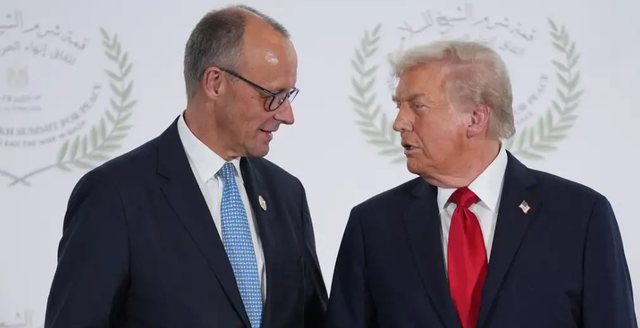
The fundamental foreign policy problem for the German government was recently summed up by historian and political scientist Herfried Minkler: “The liberal idealism of a rules-based international order has turned out to be an illusion.”
Chancellor Friedrich Merz is convinced that today the rules-based order is not only being challenged by authoritarian political systems. “Unfortunately, this also applies to America,” Merz said, referring to President Donald Trump. The latest US strategy document, with its harsh criticism of European allies and the EU, has further reinforced this impression.
The US withdrawal from Europe has already begun
The biggest concern among German politicians and military circles is the possibility that the US is withdrawing from Europe in terms of politics and security. This process seems to be already underway. In early December, General Christian Freuding, one of Germany’s top generals, said in an interview with the American magazine The Atlantic that direct contact with American colleagues has “broken down.”
Previously, he says, information exchange was possible “day and night.” The loss of fast communication channels is therefore an “alarming warning,” especially in light of a possible Russian attack on NATO’s eastern members.
Europeans are currently feeling the US's distancing most directly on the issue of Ukraine. Trump is pushing forward with a peace deal that would go a long way toward meeting Russian President Vladimir Putin's demands.
Henning Hoff of the German Foreign Policy Association told DW: "If the Americans somehow withdraw, the pressure on the Europeans to be able to act and build a strong counterweight will be even greater."
Merz is trying, along with French President Emmanuel Macron and British Prime Minister Keir Starmer, to cushion the fall in U.S. support. “No one should doubt our support for Ukraine,” Merz said at a trilateral meeting in London in early December. But all three leaders face tight budgets, pressure from the right in domestic politics and weakening public support for Ukraine.
Germany becomes a supplicant in China
In its relations with China, Germany is now trying to repair the damaged relationship. Foreign Minister Wadephul unexpectedly canceled a trip to China in the fall when it became clear that the Chinese side, apart from his fellow minister, would not offer him any other important interlocutors.
Kritika e tij për “sjelljen gjithnjë e më agresive” në Ngushticën e Tajvanit dhe Detet e Kinës Lindore dhe Jugore shkaktoi një reagim të zemëruar nga Pekini. Wadephul kompensoi udhëtimin në dhjetor, ndërsa Zëvendëskryeministri Lars Klingbeil ishte përpjekur tashmë të qetësonte tensionet në Pekin.
Kina është një partner tregtar shumë i rëndësishëm për Gjermaninë për të lejuar një konfrontim të hapur. Sidomos për shkak të pozicionit pothuajse monopolist të Kinës në fushën e metaleve të rralla, industria gjermane është shumë e varur nga furnizimet kineze.
Henning Hoff shpjegon ekuilibrin e ndryshuar të pushtetit: “Kinezët kanë qenë jashtëzakonisht të suksesshëm në marrjen e pozicioneve udhëheqëse në shumë sektorë të teknologjisë, në fusha që tradicionalisht mbaheshin nga industria gjermane. Në një situatë të tillë, Gjermania thjesht nuk është më aq e rëndësishme.”
Kancelari më në fund po planifikon një vizitë në Kinë në fillim të vitit 2026.
Solidariteti kritik me Izraelin
“Po vij si një mik i Izraelit, i cili e di se miqësia midis Gjermanisë dhe Izraelit është pafundësisht e vlefshme dhe e çmuar”, tha Merz gjatë vizitës së tij në Izrael në dhjetor. Këto fjalë të ngrohta nuk ishin krejtësisht të papritura nga perspektiva e kryeministrit izraelit Benjamin Netanyahu.
Në gusht, Merz pezulloi dërgesat e armëve në Izrael që mund të përdoren në Rripin e Gazës. Në nëntor, ai e hoqi përsëri embargon, duke hapur rrugën për vizitën e tij.
Veprimi i ashpër ushtarak i Izraelit në Gaza, në përgjigje të sulmit terrorist nga Hamasi islamist në tetor 2023, i ka paraqitur qeverisë gjermane “disa dilema”, tha Merz në prani të Netanyahut. Qeveria dëshiron të sigurojë sigurinë e Izraelit – si nga përgjegjësia që rrjedh nga Holokausti – por edhe të kritikojë kur e sheh të nevojshme.
Dy qeveritë nuk mund të afrohen në disa çështje kyçe, veçanërisht kur Gjermania këmbëngul në një zgjidhje me dy shtete – krijimin e një shteti palestinez përkrah Izraelit. Netanyahu tha: “Qëllimi i shtetit palestinez është të shkatërrojë të vetmin shtet hebre”.
Netanyahu nuk është thirrur në Gjermani. Ekziston një urdhër arresti kundër tij nga Gjykata Ndërkombëtare Penale dhe qeveria gjermane, në parim, do të ishte e detyruar ta arrestonte atë.
Në Berlin, ata duan të shmangin një situatë “në të cilën do të duhej të thoshin: Në rregull, për arsye diplomatike nuk mund ta arrestojmë z. Netanyahu, nuk e duam këtë, por nuk duam të dëmtojmë as reputacionin e Gjykatës Ndërkombëtare Penale”, tha për DW Hans-Jakob Schindler, një ekspert i Lindjes së Mesme dhe drejtor i organizatës ndërkombëtare “Projekti Kundër Ekstremizmit”.
Si ndërmjetës në konfliktin e Lindjes së Mesme, qeveria gjermane, ashtu si BE-ja në tërësi, ka një rol shumë të kufizuar, thotë Schindler. “Është e qartë se si palestinezët ashtu edhe izraelitët e shohin Uashingtonin si ndërmjetësin kryesor, jo Evropën”, thotë ai.
Europe will play an important role in Gaza's reconstruction and humanitarian aid, "but as the central mediator for the last ten years it has practically excluded itself."
Merz – Chancellor for Foreign Policy
The chancellor has placed a strong emphasis on foreign policy from the start. Because of his extensive travels, he has been called, somewhat derisively, the “Foreign Chancellor.” Henning Hoff of the German Foreign Policy Society concludes: “Overall, one can speak of a certain revival.”
But he also adds: “Berlin's foreign policy is still too slow to respond to the new global situation.”
However, a reform of the Foreign Ministry is planned. Next year, a commission will address, for example, the issue of dependence on China. “All this is good, but it comes two, three, four, five years late. If the pace is not accelerated, it will be difficult.”/DW
Happening now...


ideas
Pse tifozeria e Kosovës ishte aq e vdekur dhe mungonin simbolet kuqezi?
Nga Kreshnik Spahiu

Rama-Berisha, from statesmen to Chameleons!
Nga Ermal Peçi
top


Alfa recipes



TRENDING 




services
- POLICE129
- STREET POLICE126
- AMBULANCE112
- FIREFIGHTER128